
NOURI MOUNTAIN RESORT
|
Project Type |
Interior Design Concept |
|
Location |
Debed River Valley, Armenia |
|
Design Year |
2025 |
|
Status |
In Progress |
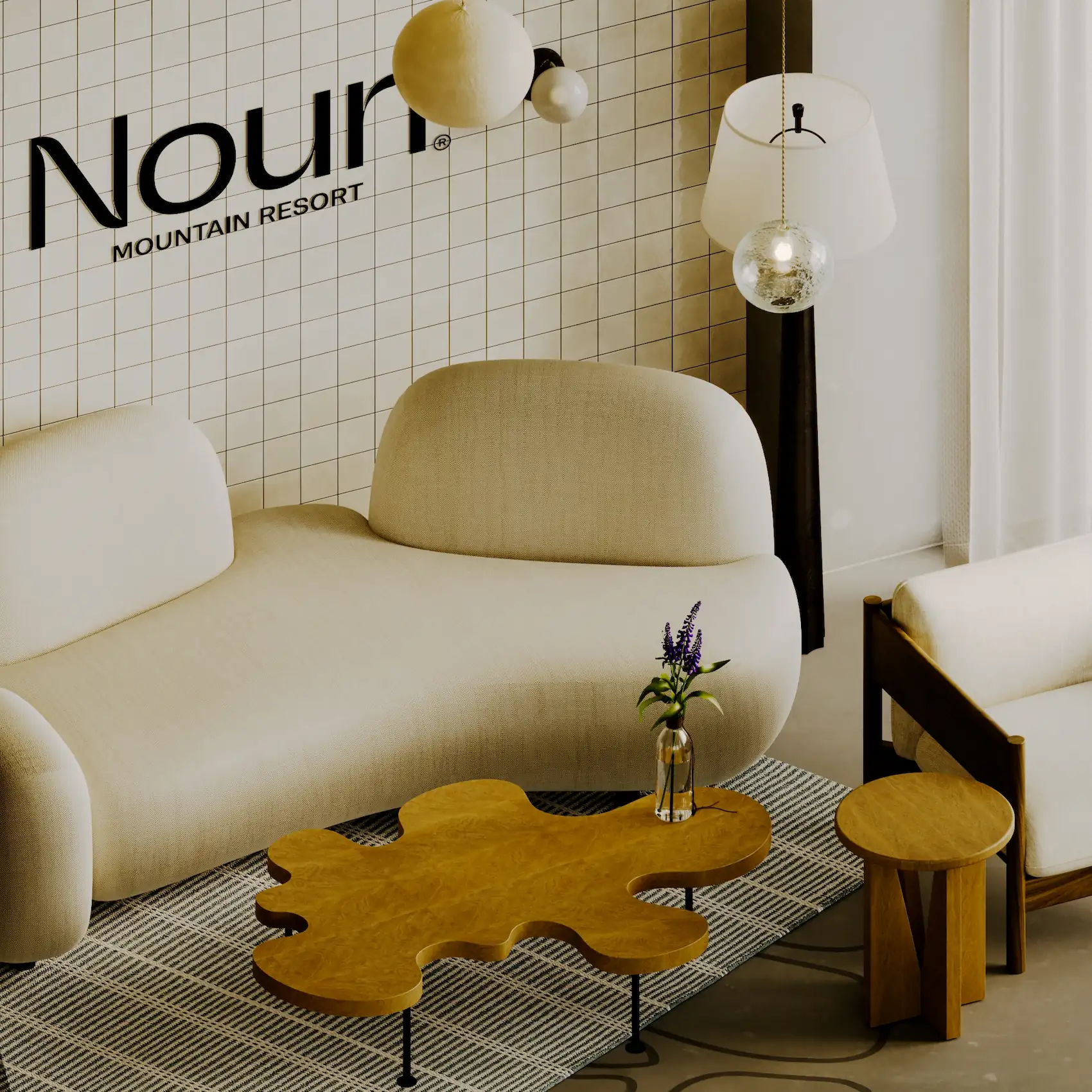
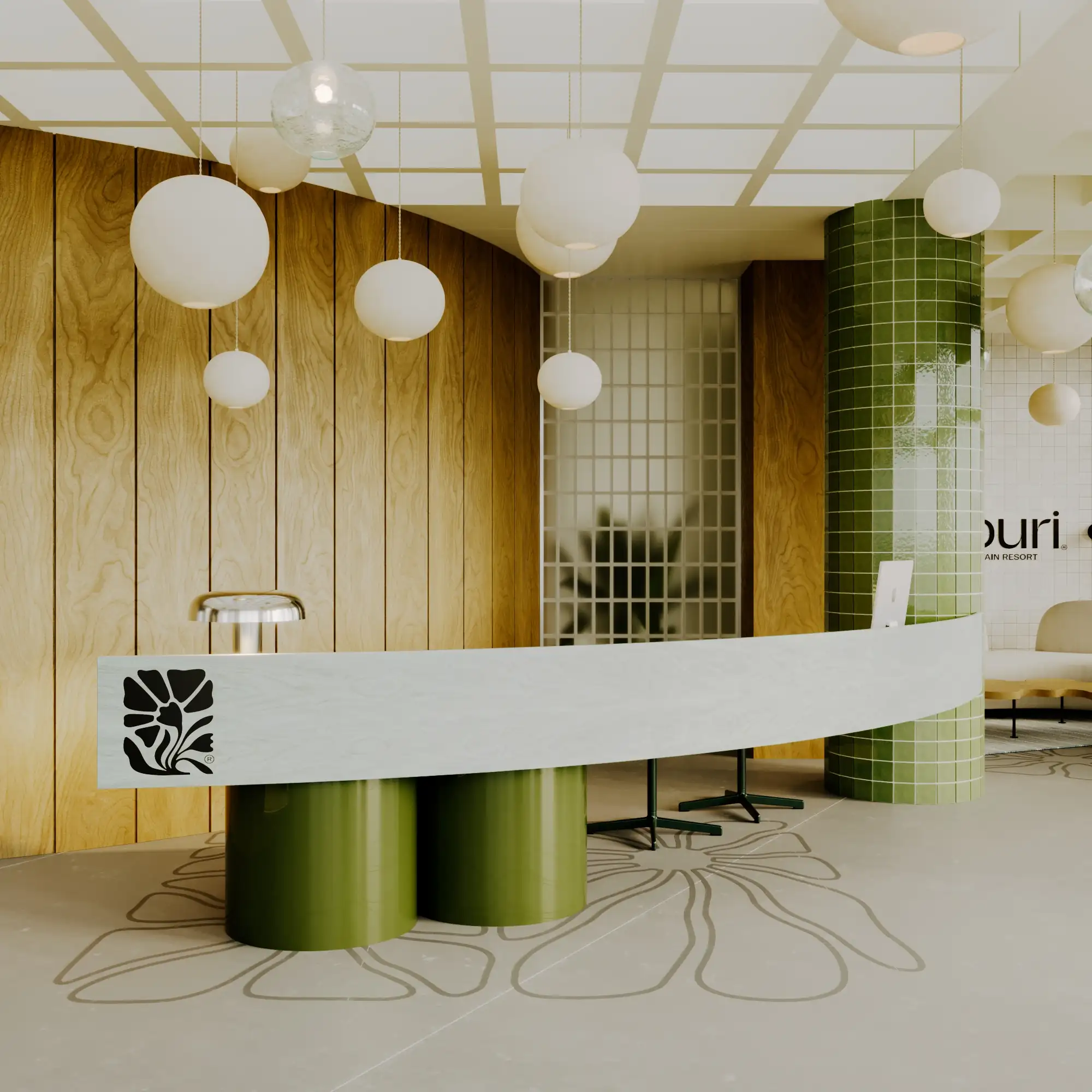
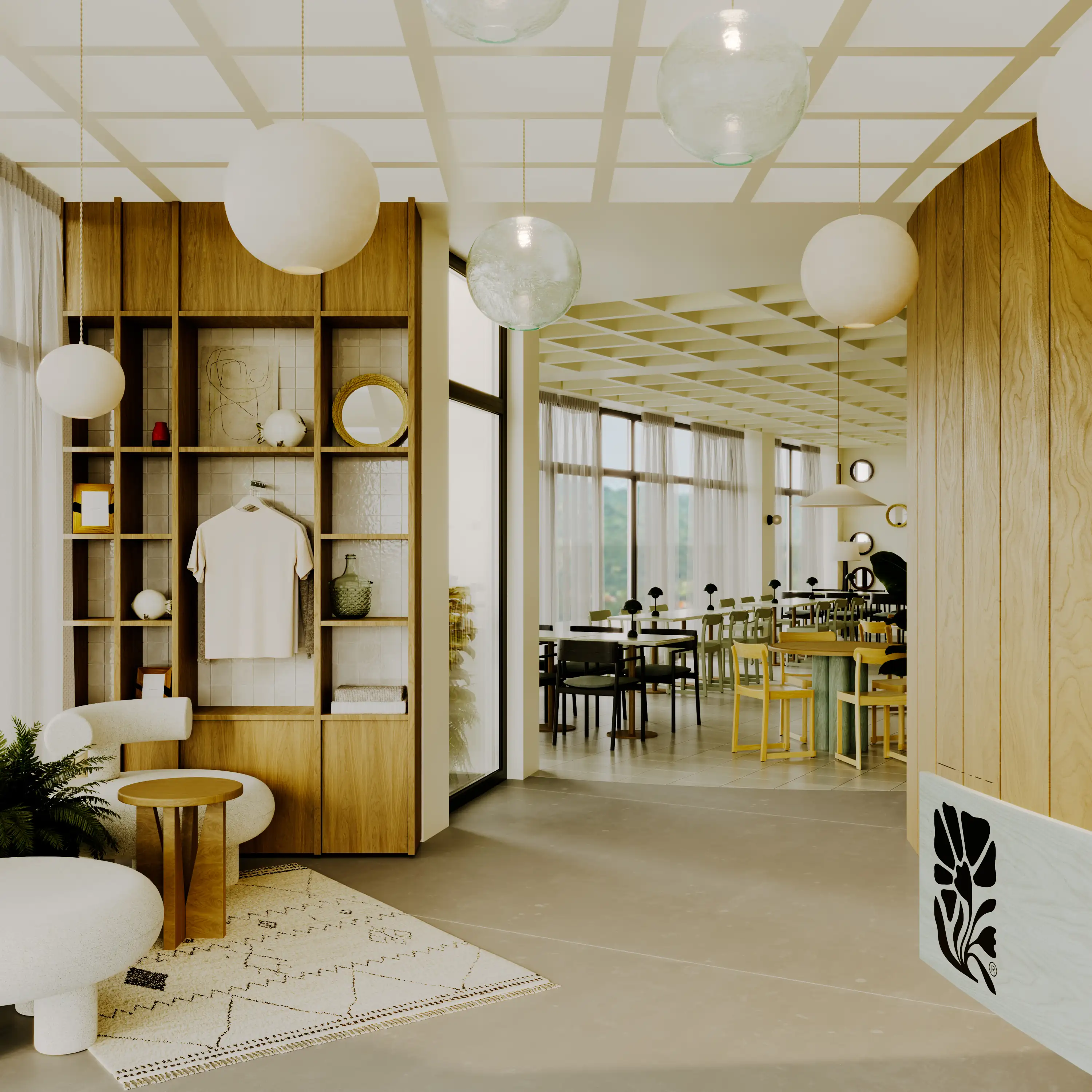
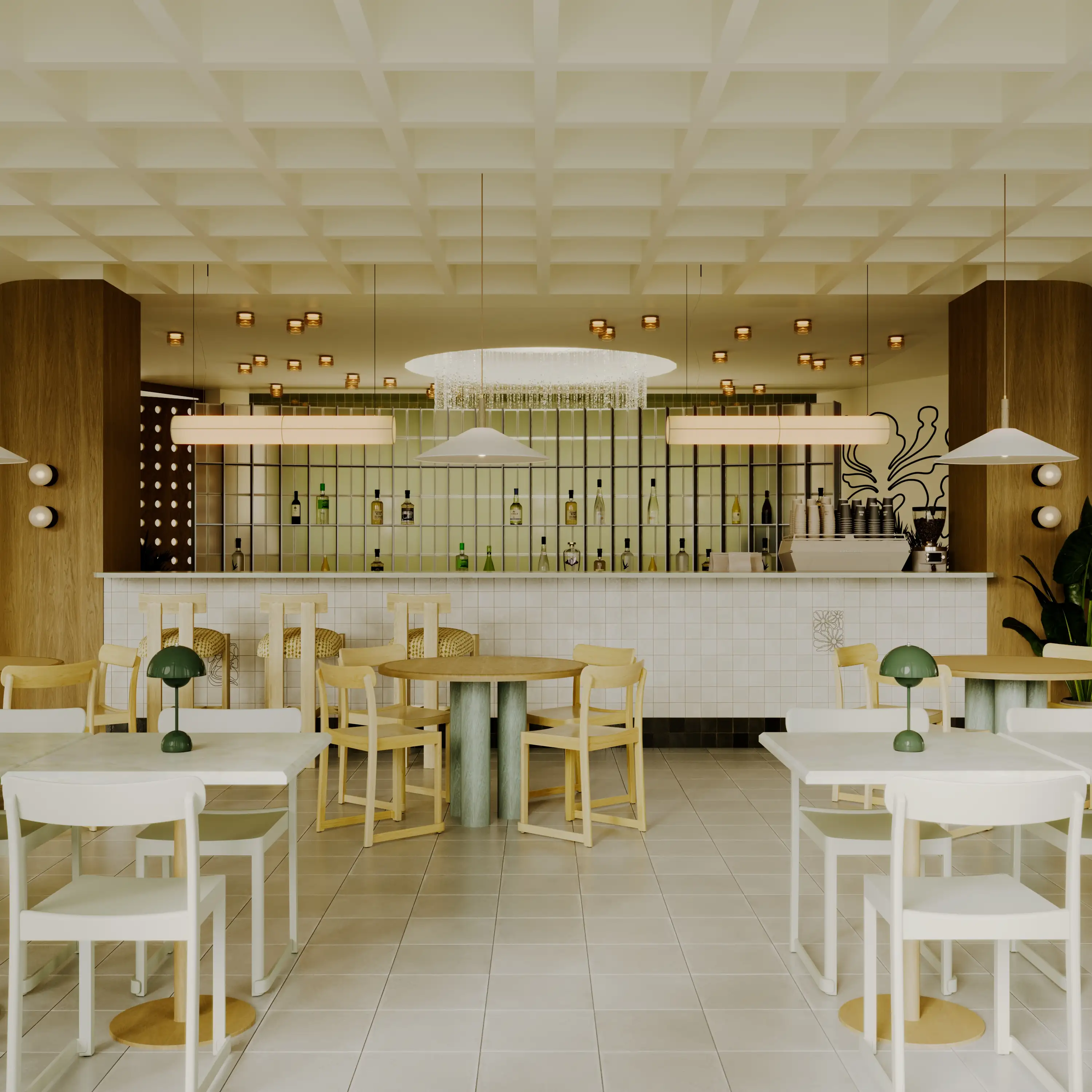
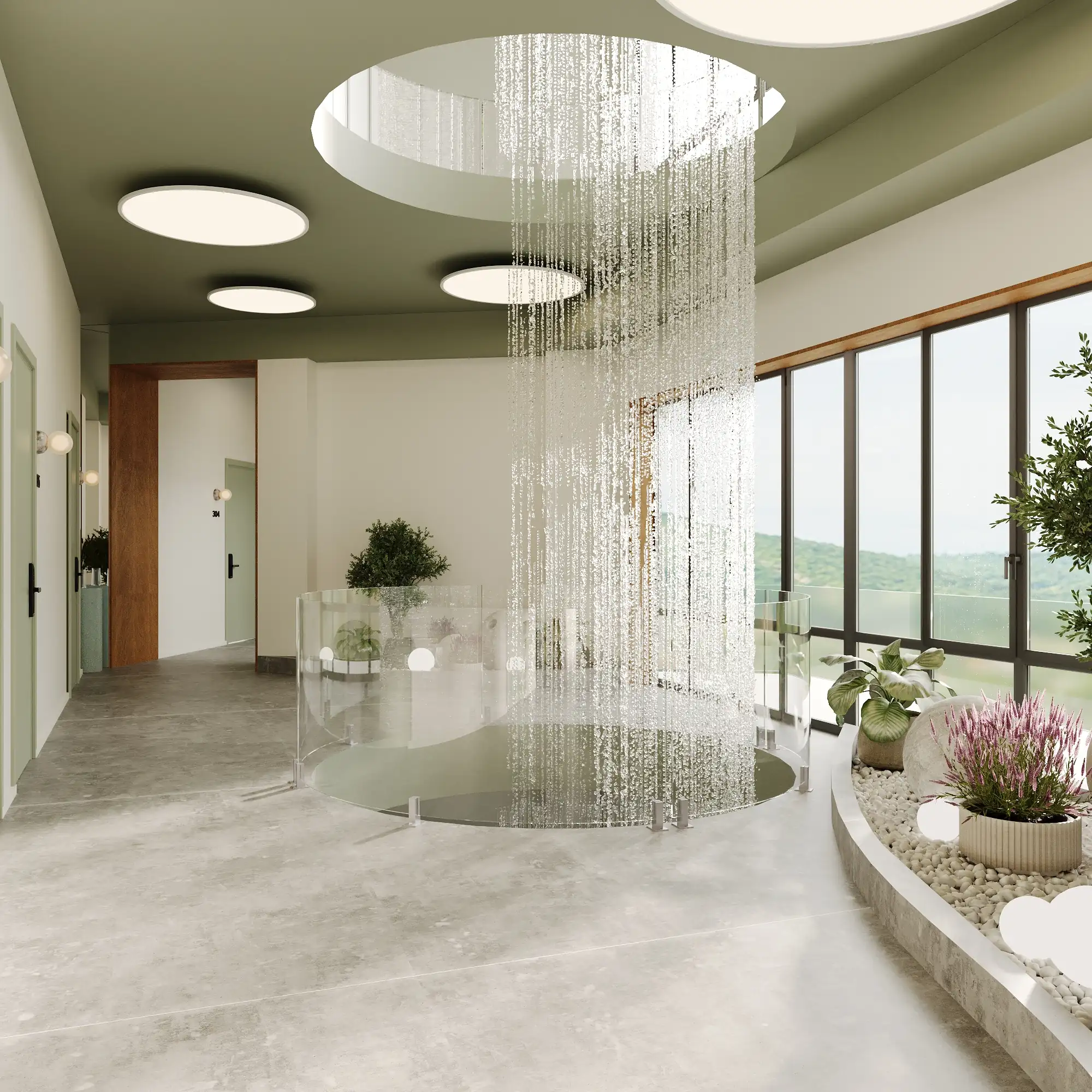
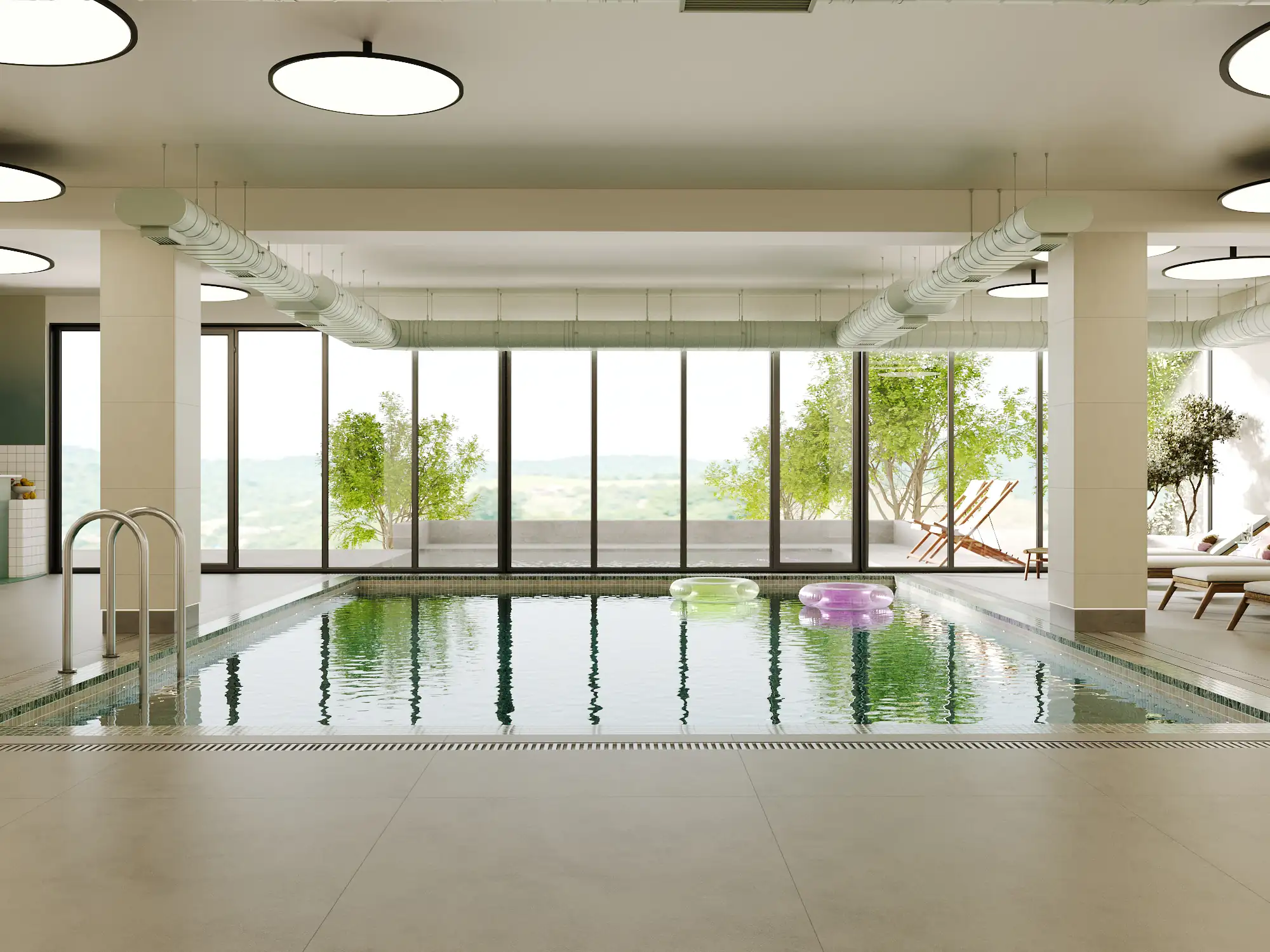
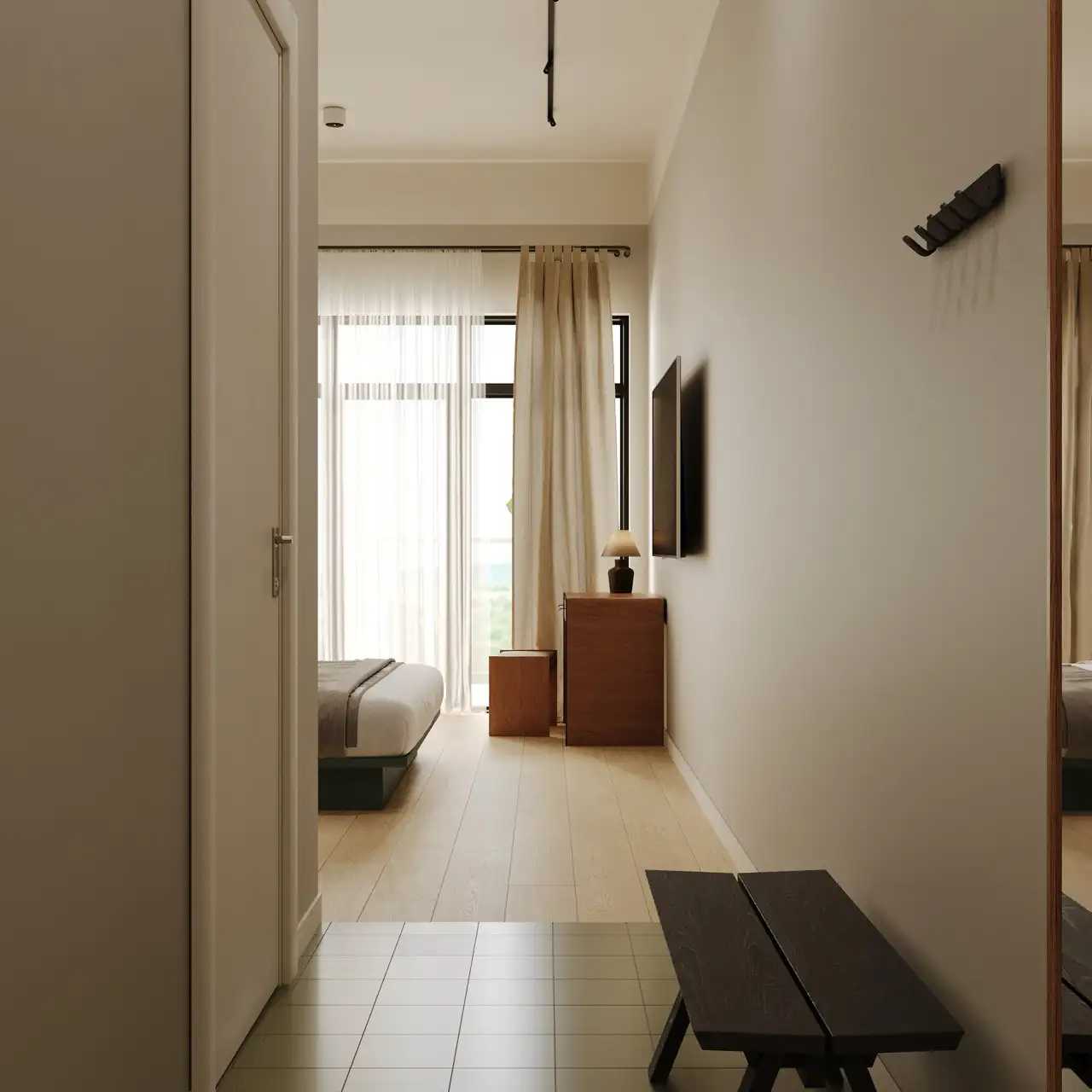
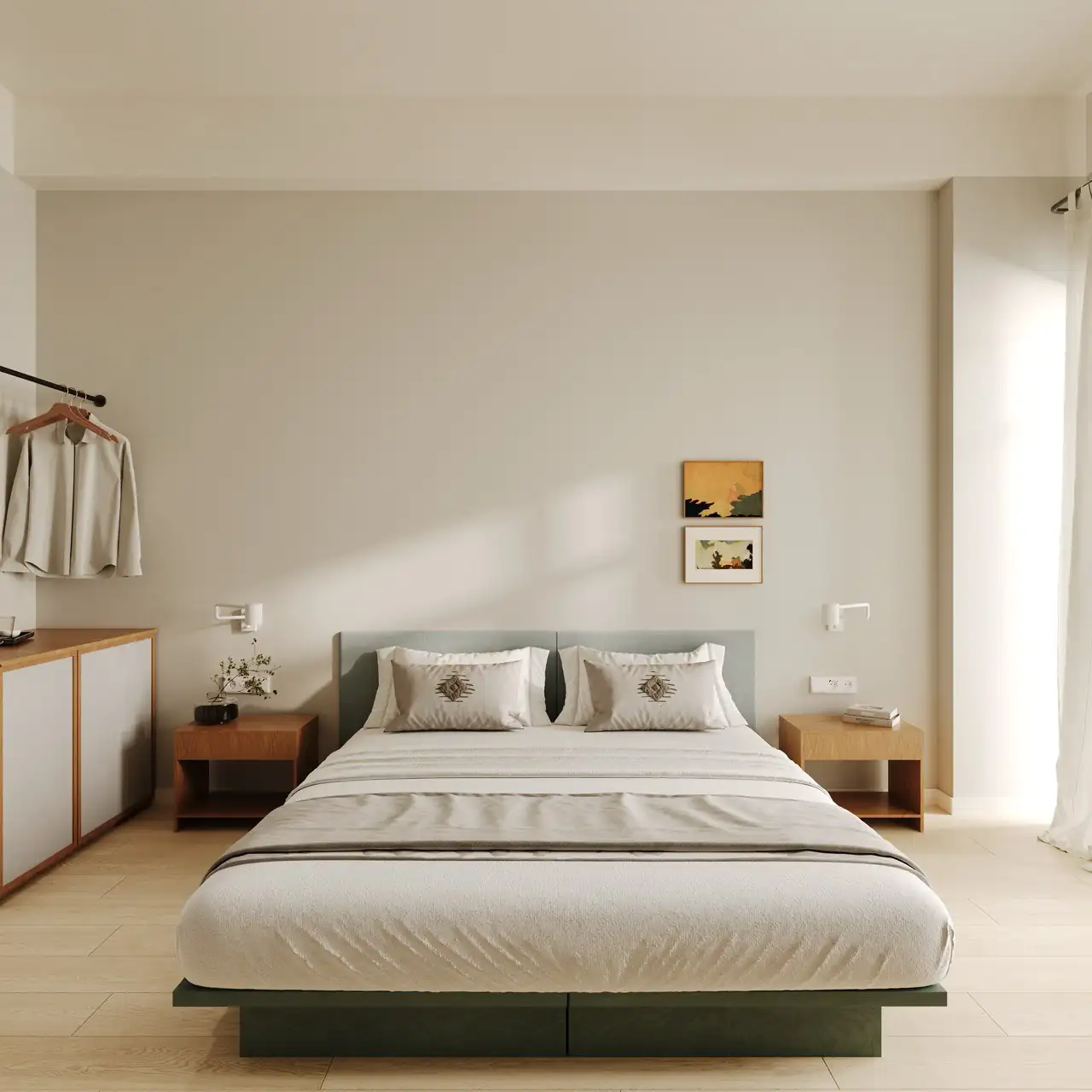
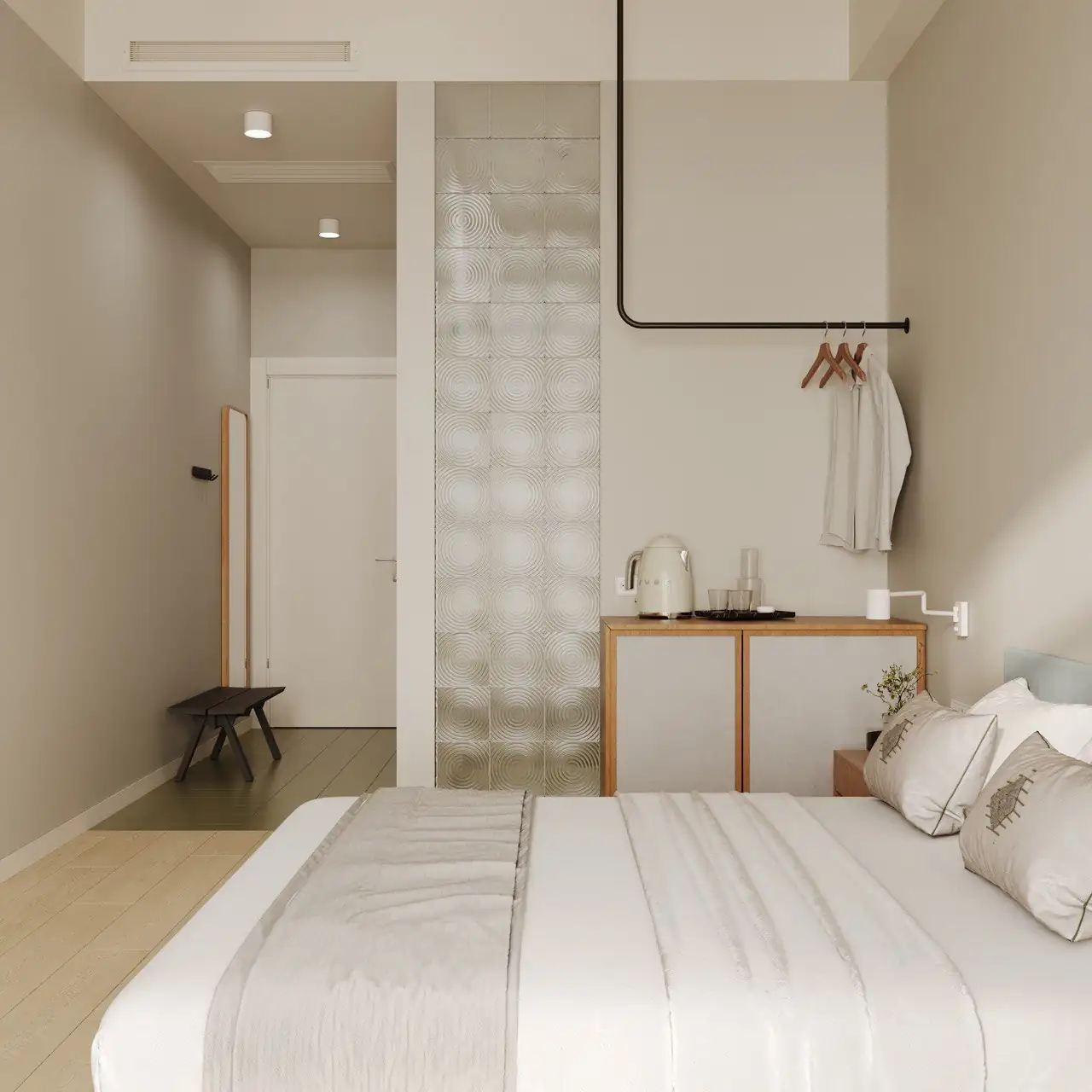
The interior design of Nouri Mountain Resort investigates how multisensory strategies can inform spatial identity within a regional hospitality context. Located in the Debed River Valley, the project proposes a design methodology grounded in local symbolism, ecological responsiveness, and the modulation of sensory experience.
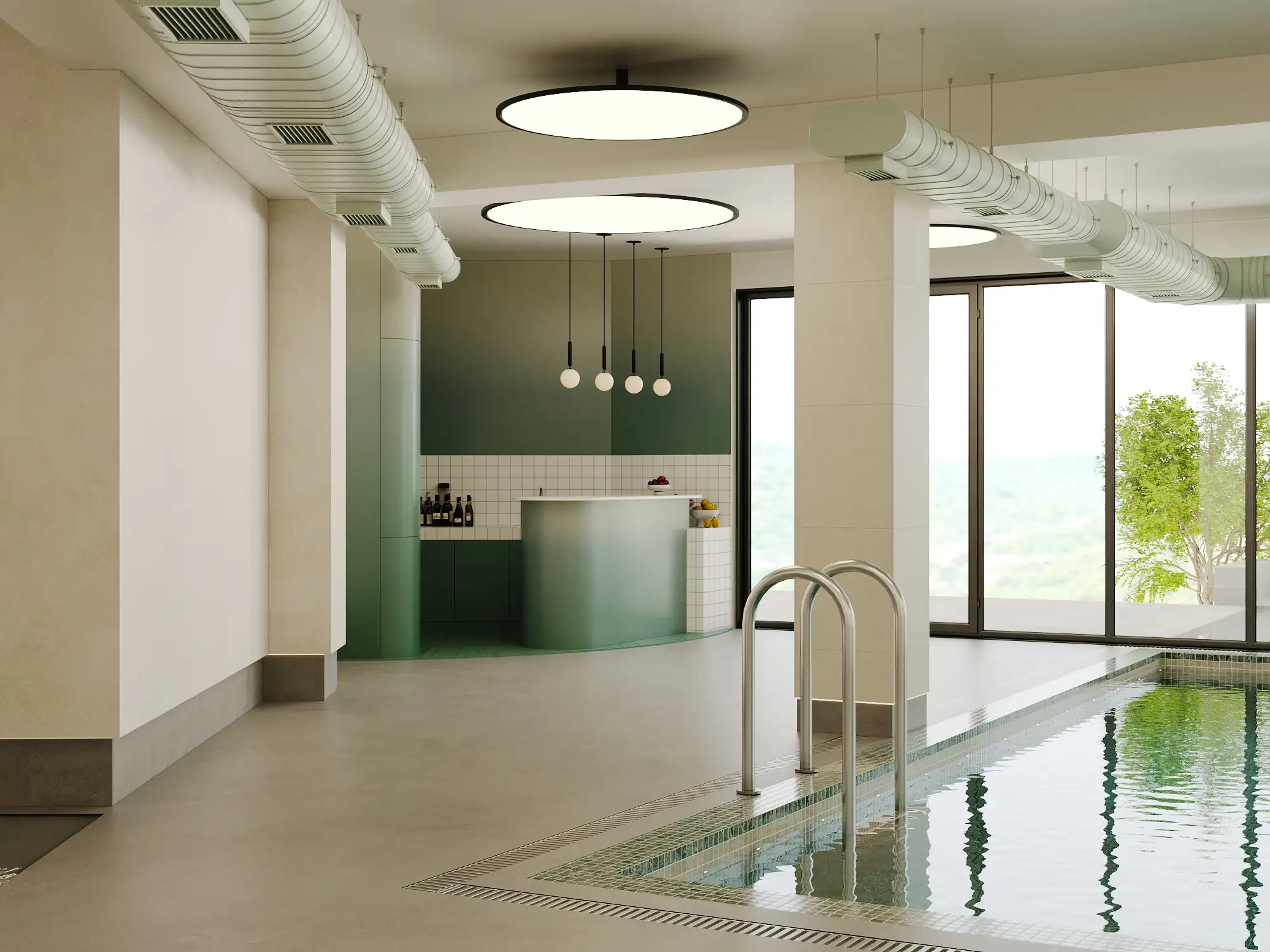
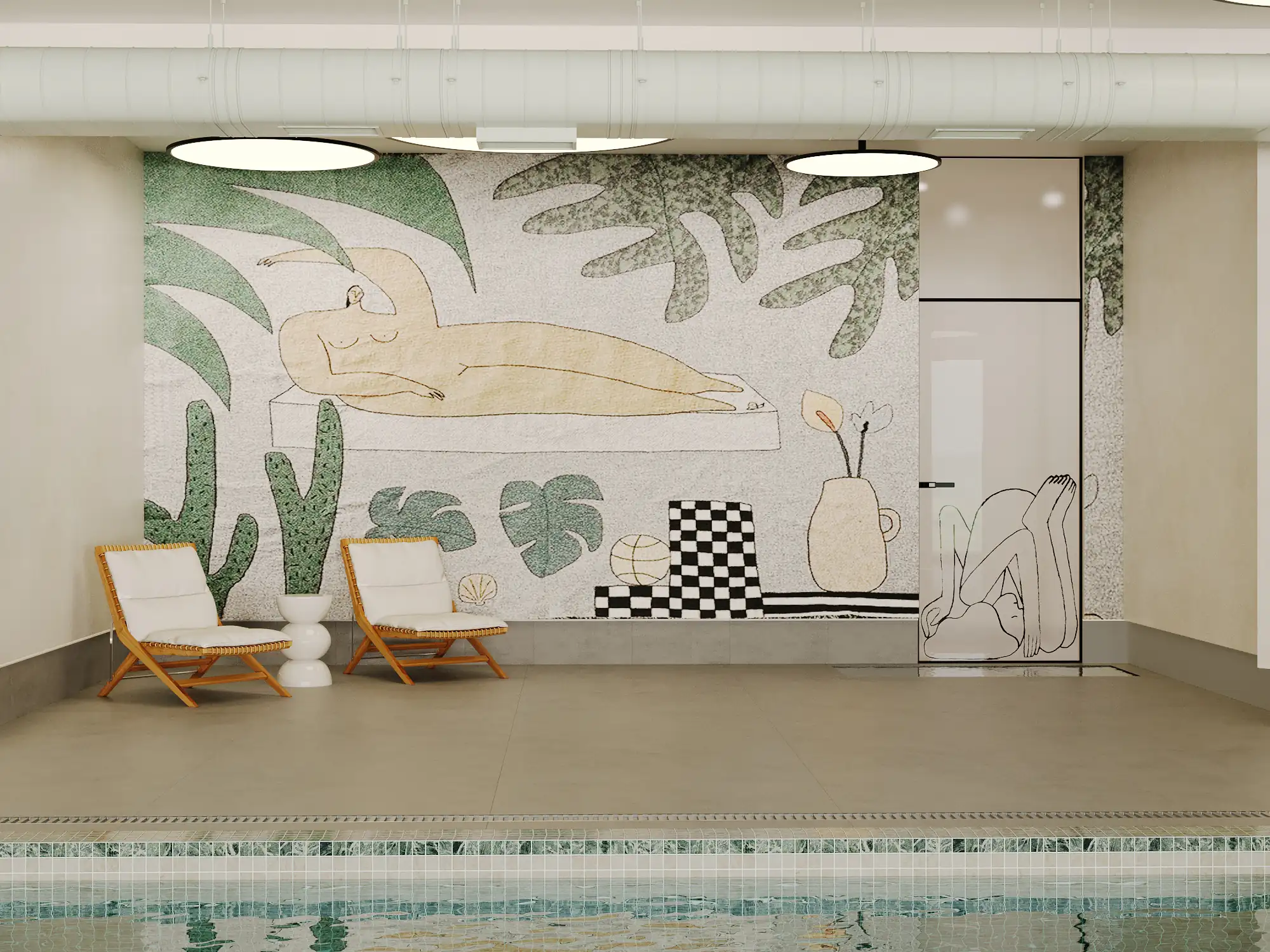
The spatial concept is derived from two primary sources: the symbolic figure of Nouri, a traditional Armenian protective doll associated with continuity and domestic care; and the Debed River, whose presence introduces ideas of movement, rhythm, and fluidity. These references are abstracted into architectural language through organic geometries, flowing circulation patterns, and a restrained, material-driven interior palette.
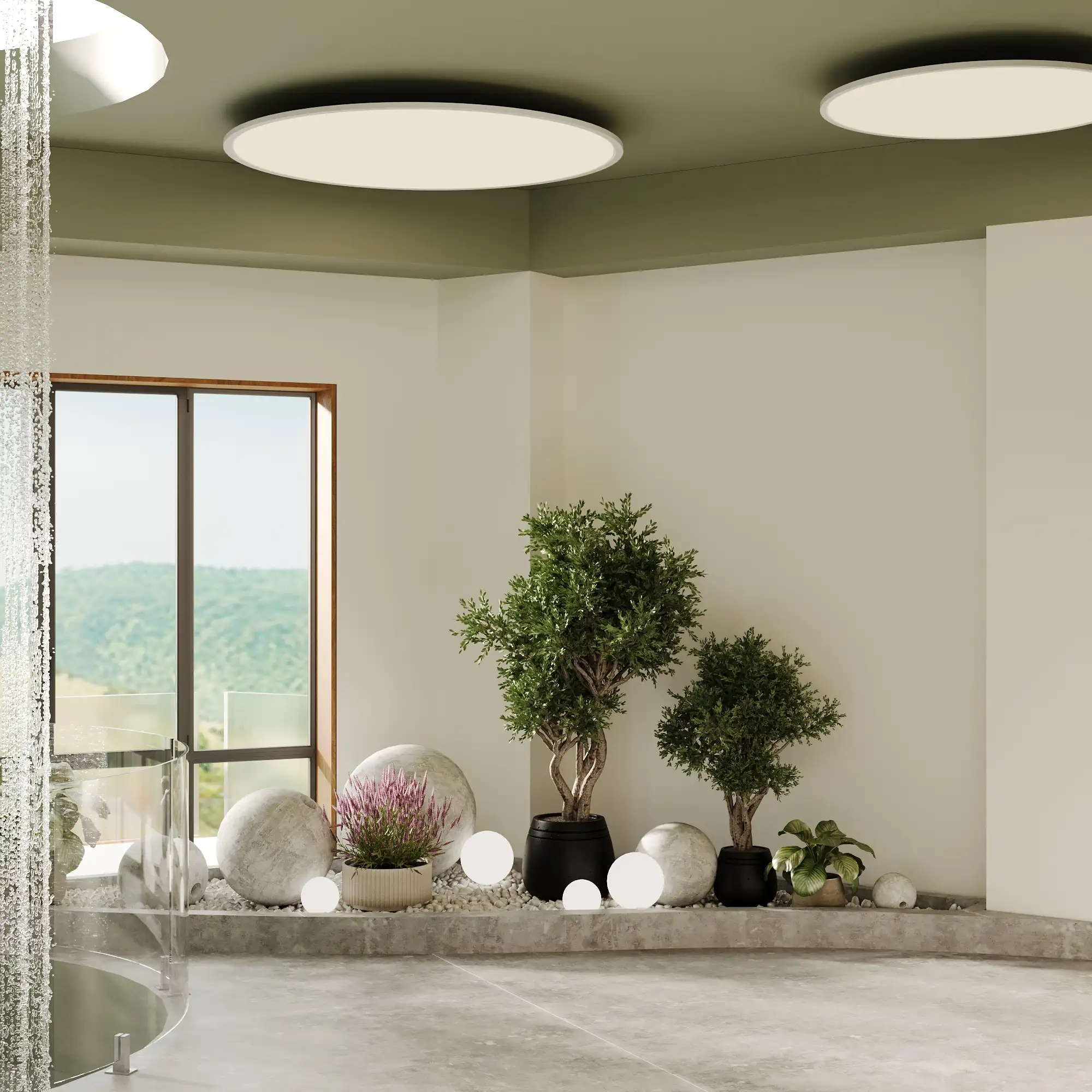
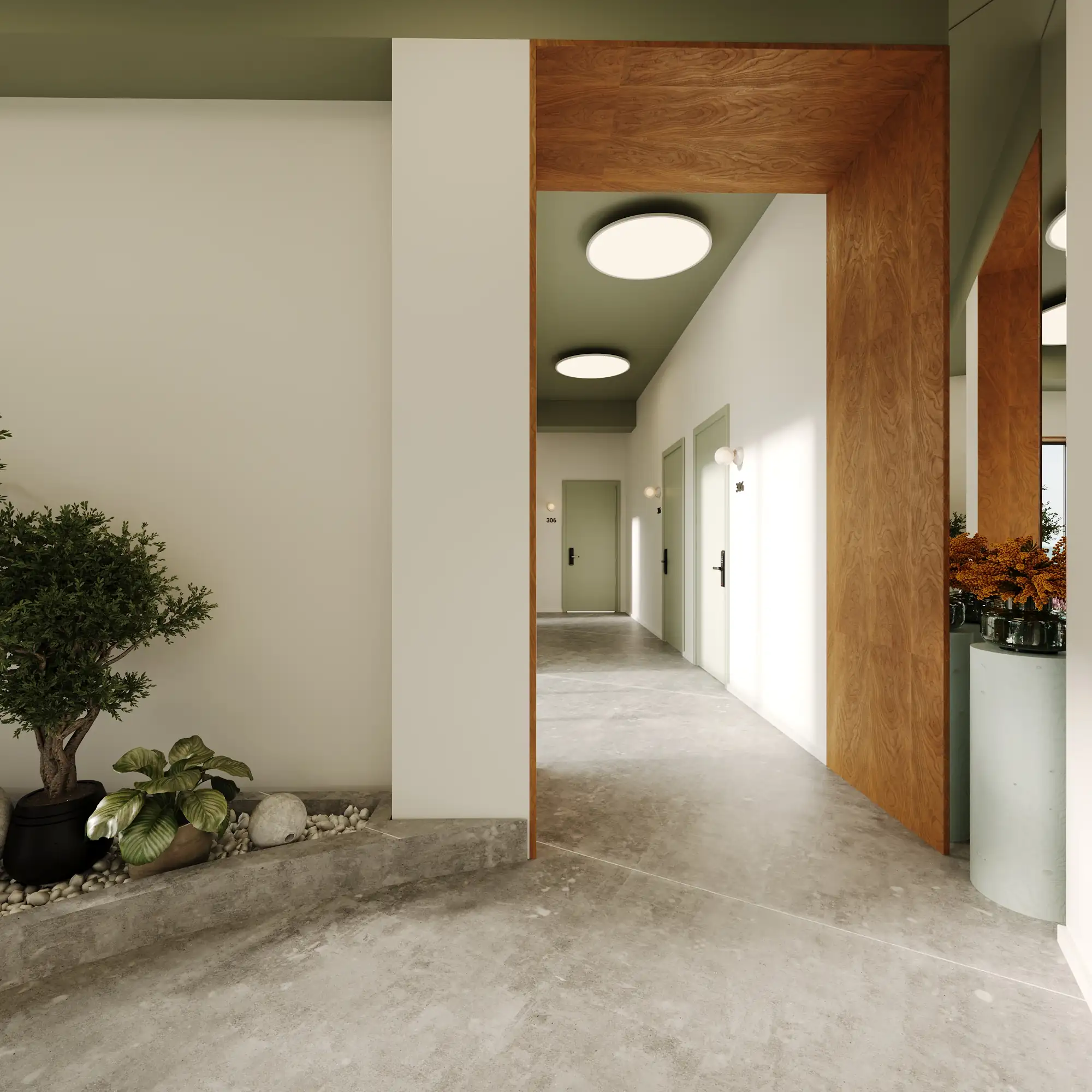
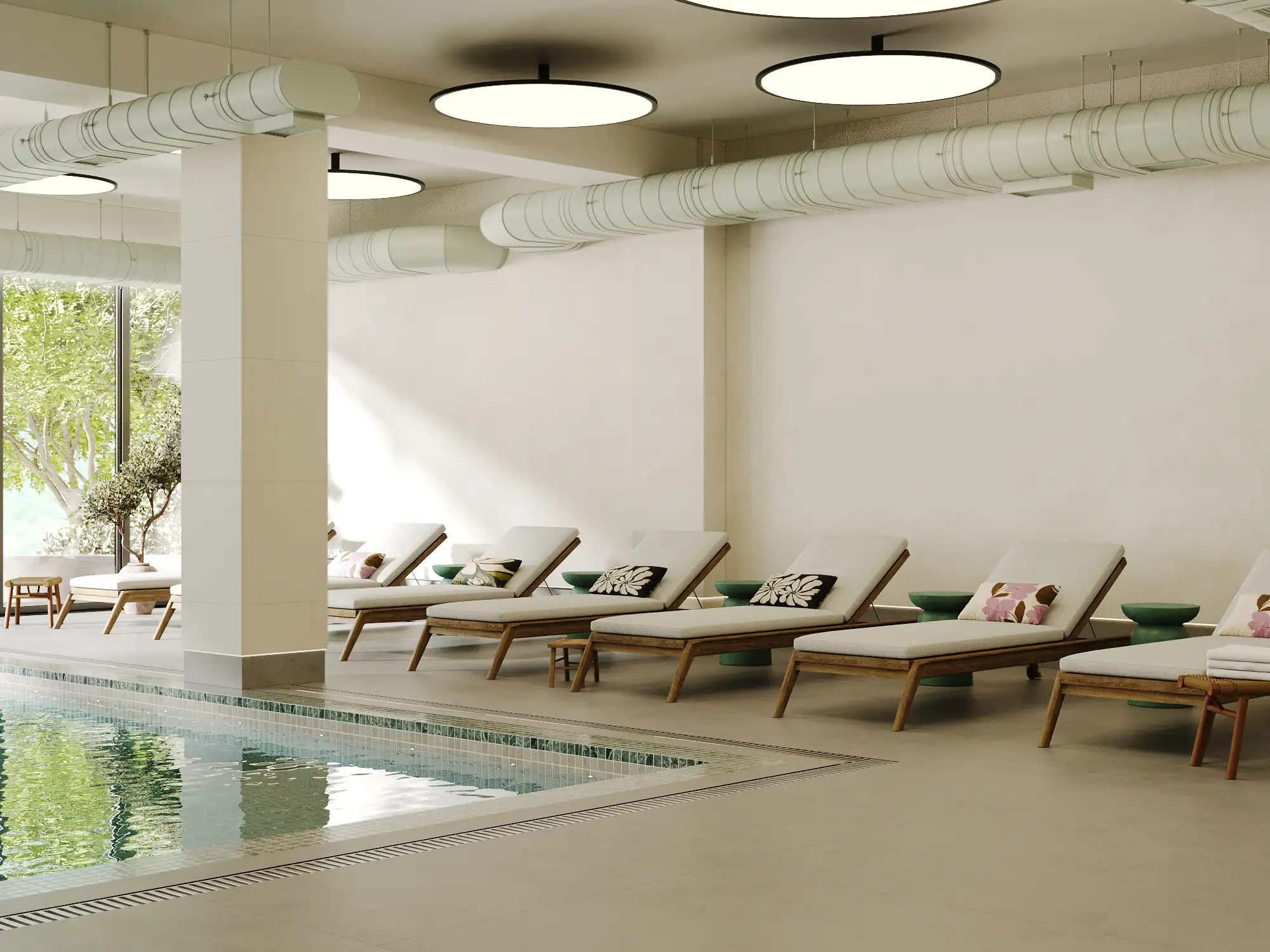
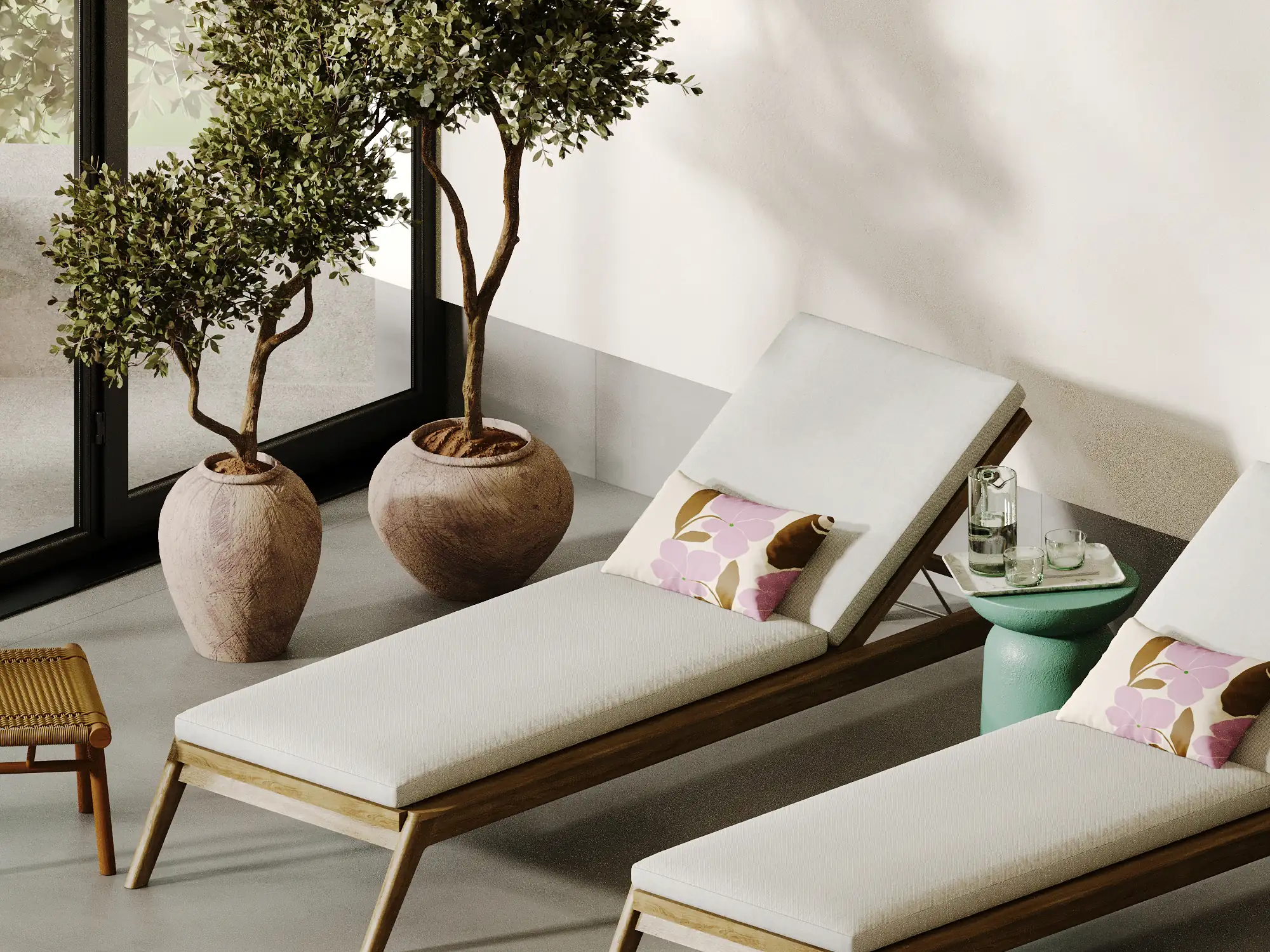
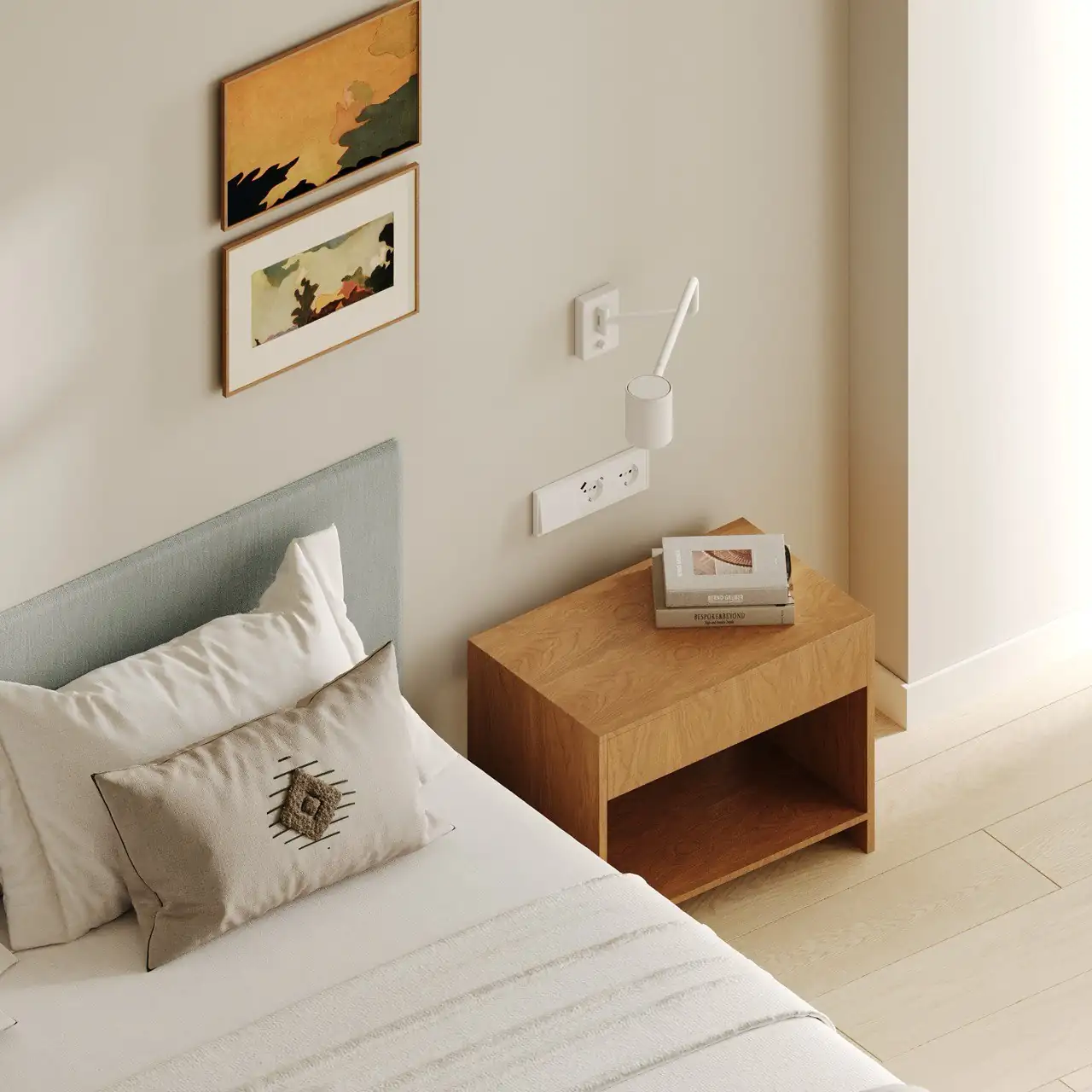
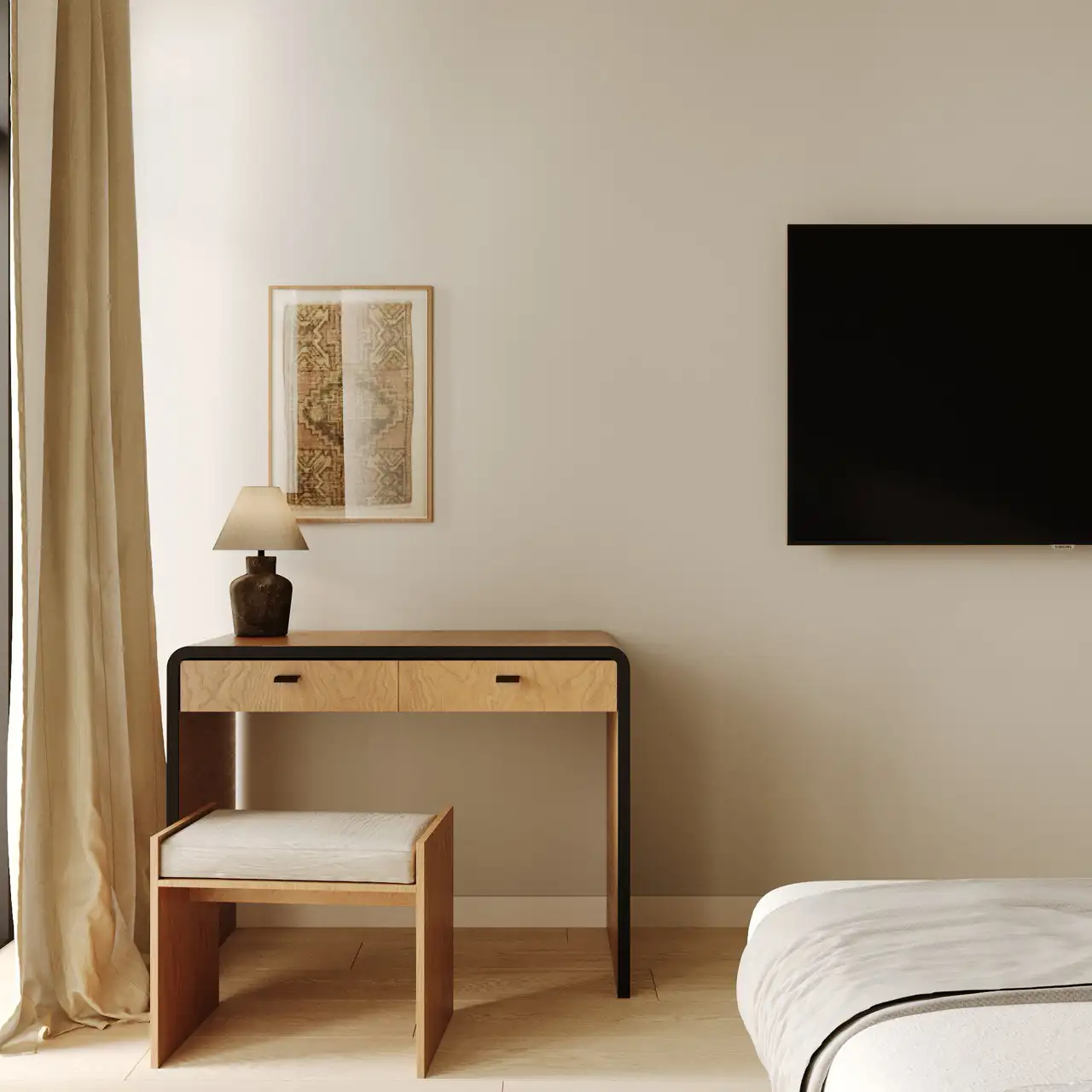
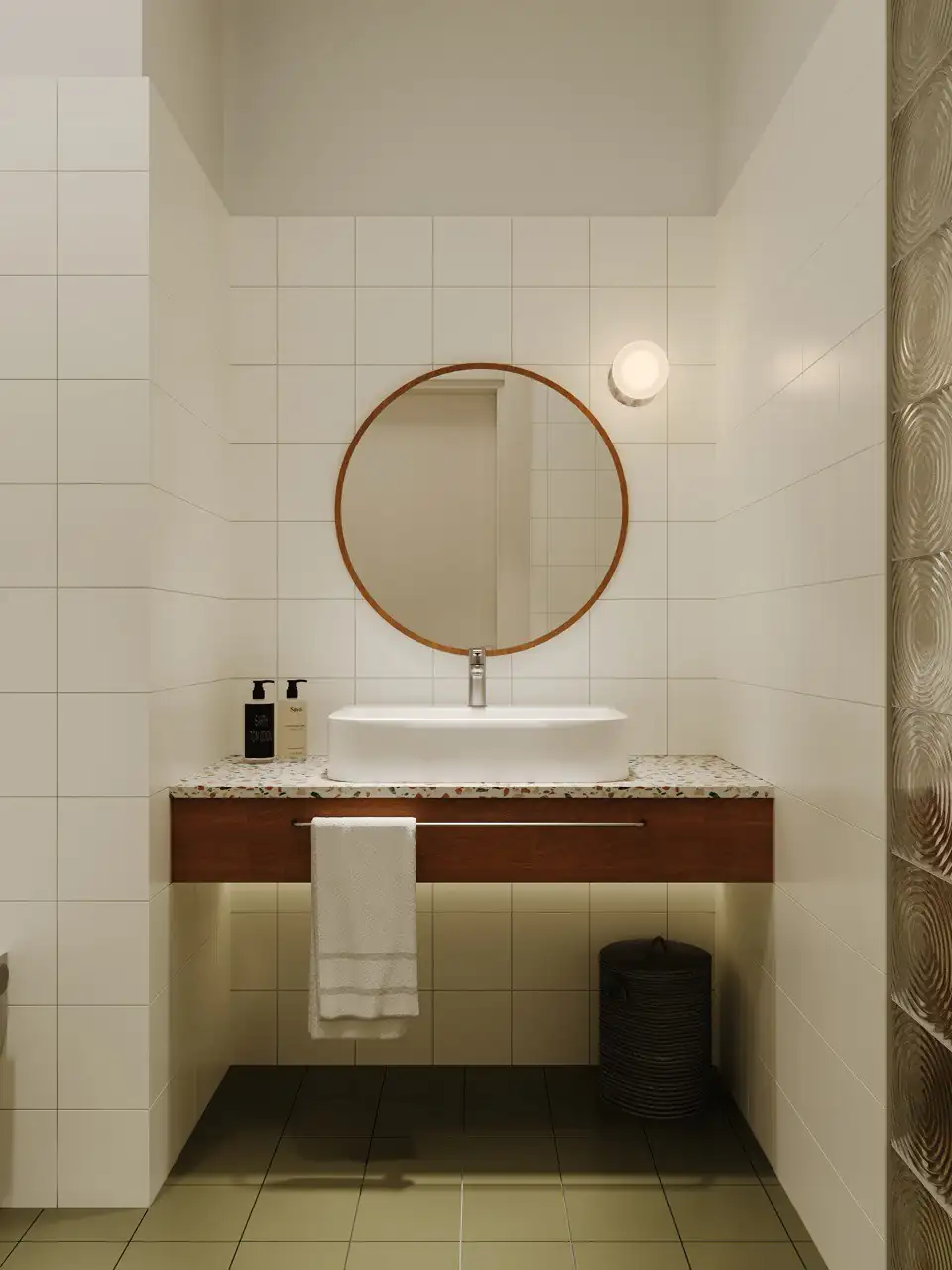
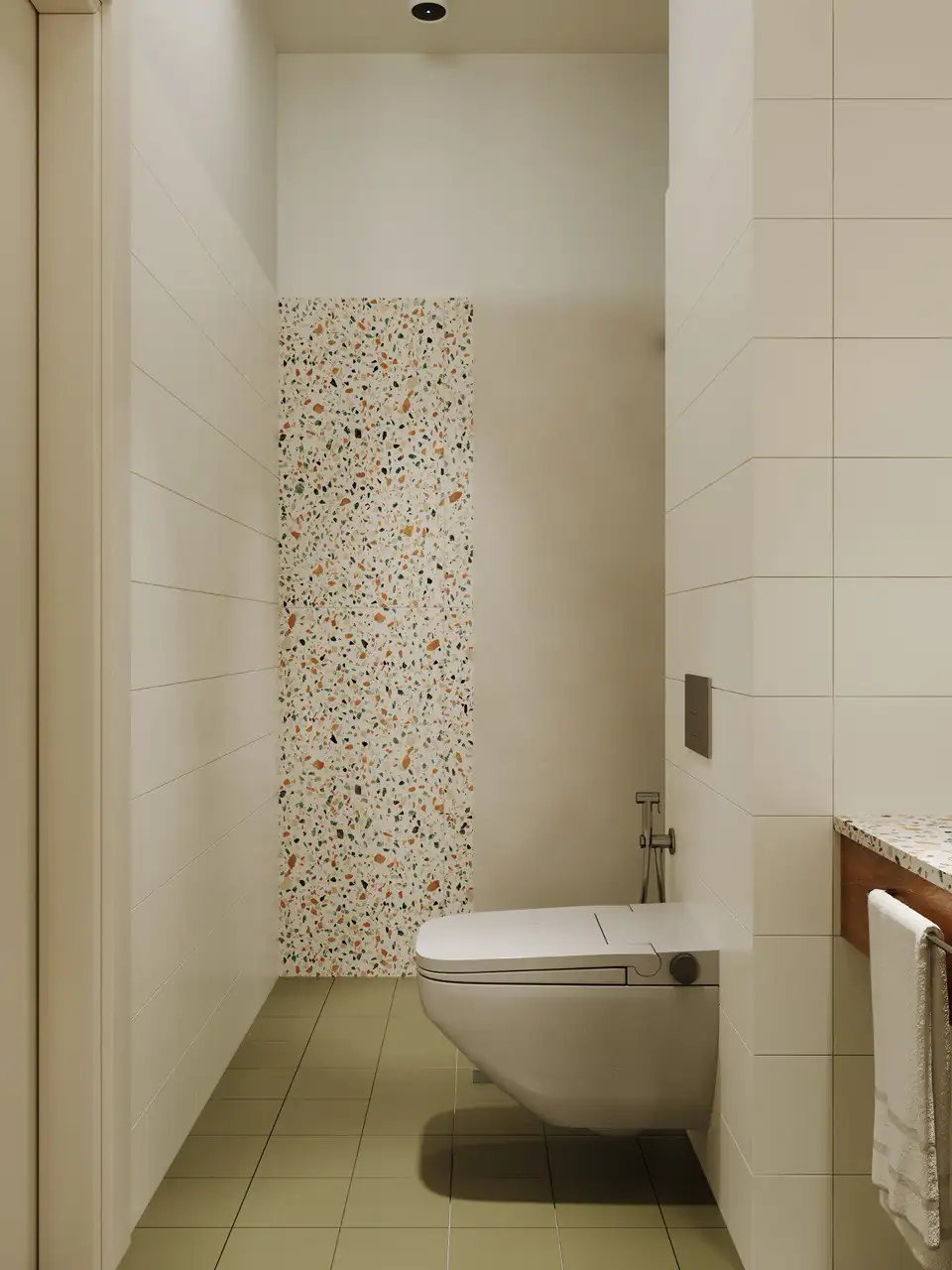
The intervention operates within an existing architectural shell. Rather than compete with the structural order, the interior strategy introduces soft counterpoints through layered textures, warm tones, and diffuse lighting conditions. Material selection prioritizes regional identity and tactility — including natural wood, raw textiles, clay finishes, and stone — to produce a subdued, grounded atmosphere.
A sensory hierarchy informs the composition:
- Visual field is curated through calibrated openings, framed views, and non-reflective surfaces.
- Acoustic comfort is achieved through absorptive surfaces and spatial zoning.
- Tactile variation guides user interaction, with surfaces designed to invite use and presence.
- Botanical integration (flowers, herbs, indoor vegetation) connects interior space to its landscape.
The project also accommodates the functional requirements of a family-oriented eco-hospitality model, with communal areas, guest rooms, and supporting programs designed for flexibility and layered use.
Rather than impose a fixed aesthetic, the interior design establishes a framework for experience — allowing users to inhabit the space intuitively, with architecture operating as a support system for slow occupation and seasonal rhythm.