


MASHTOTS 42 APART-HOTEL
|
Project Type |
Interior Design |
|
Location |
Yerevan, Armenia |
|
Design Year |
2024 |
|
Status |
Completed |
Located within a historic stone residential building in central Yerevan, the Mashtots 42 Apart-Hotel project reimagines a former duplex apartment into a compact, multi-unit hospitality format. The design challenge centered on transforming a large two-level private residence into five fully equipped apartments, introducing a co-living logic while respecting the building’s original architectural character.
The apartment occupies the 5th and attic levels of the structure. The lower level, aligned with the building’s original stone volume, retains many of its historic qualities — generous ceiling heights, deep walls, and traditional proportions. In contrast, the upper level is a lightweight metal structure added roughly a decade ago, with a distinct material logic and structural rhythm.
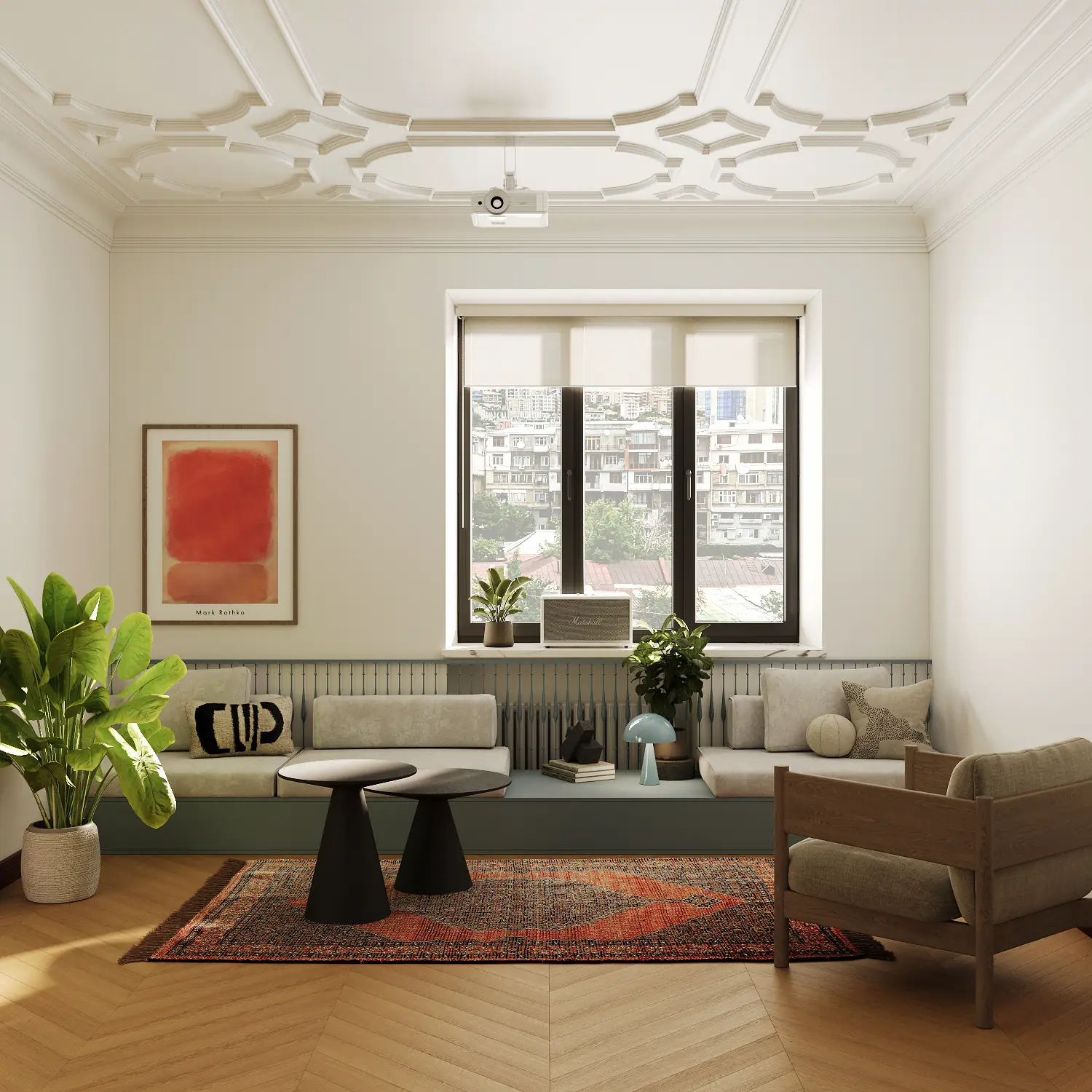
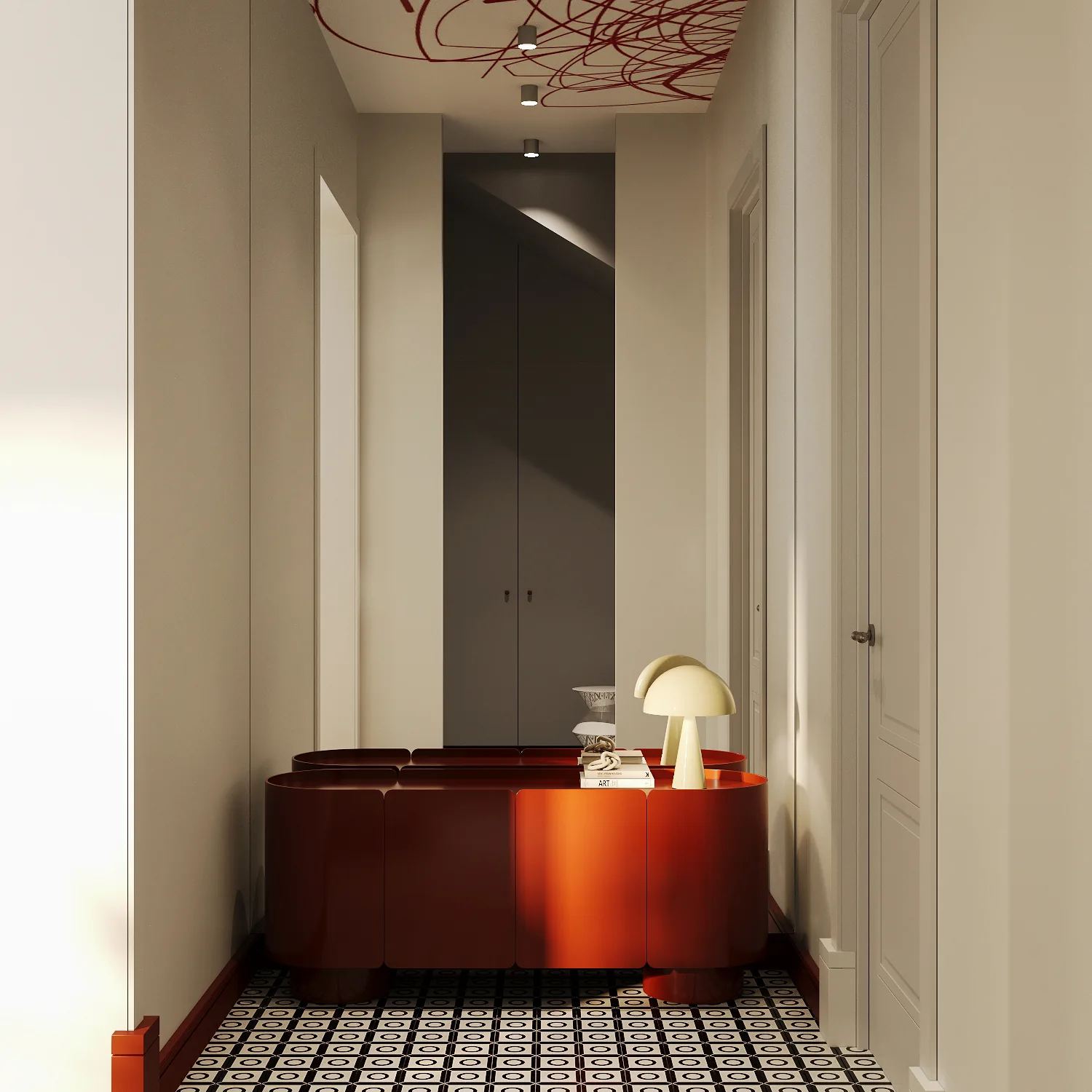
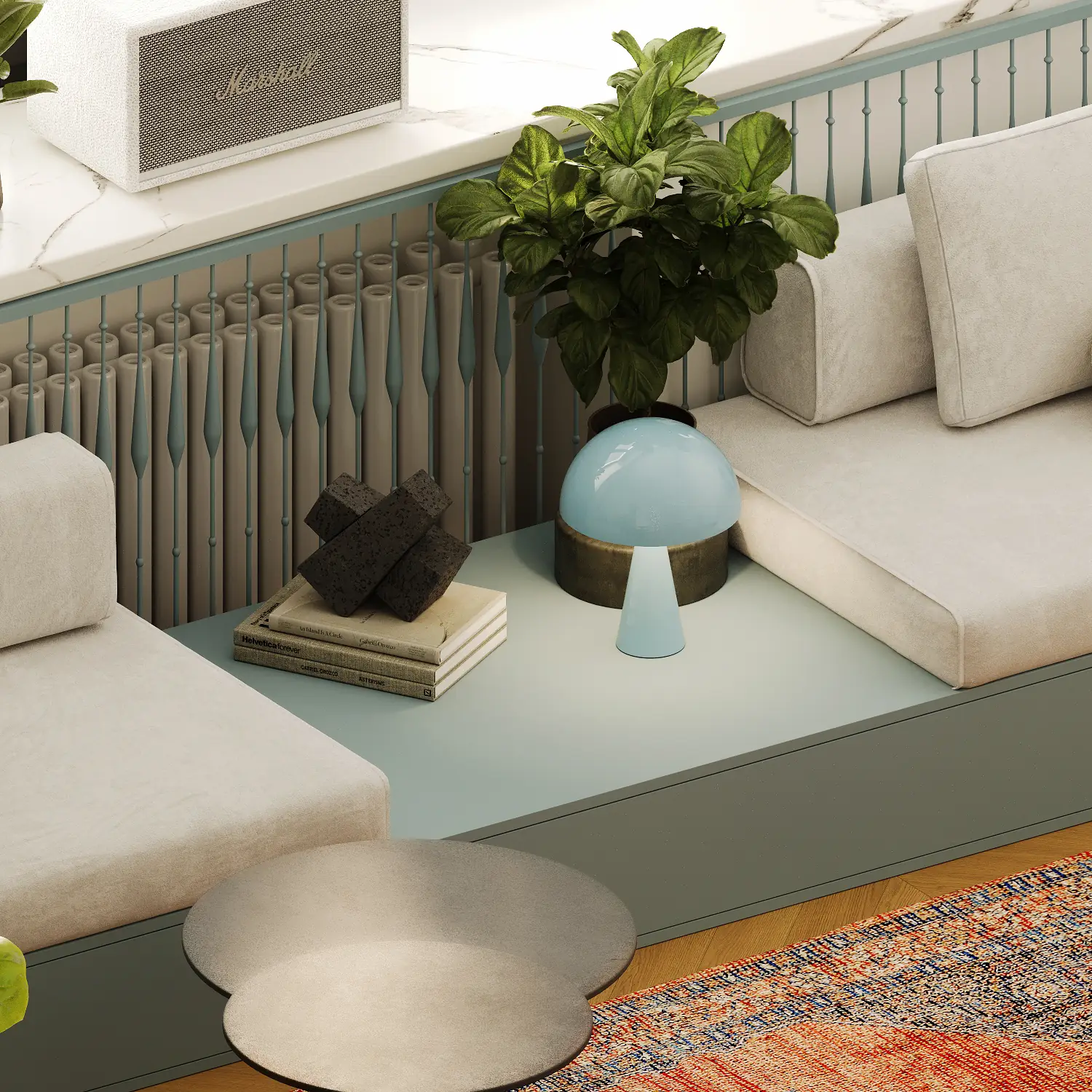
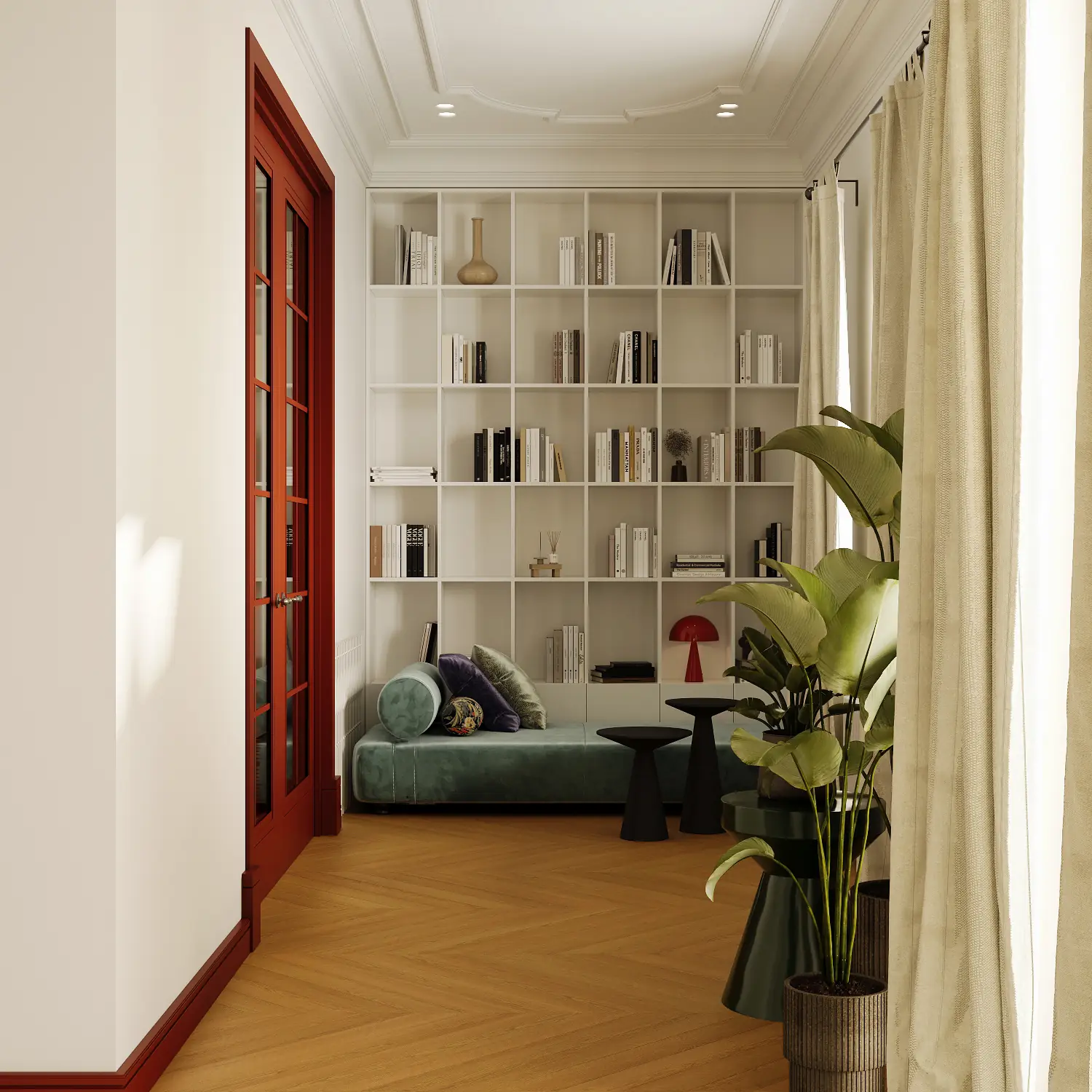
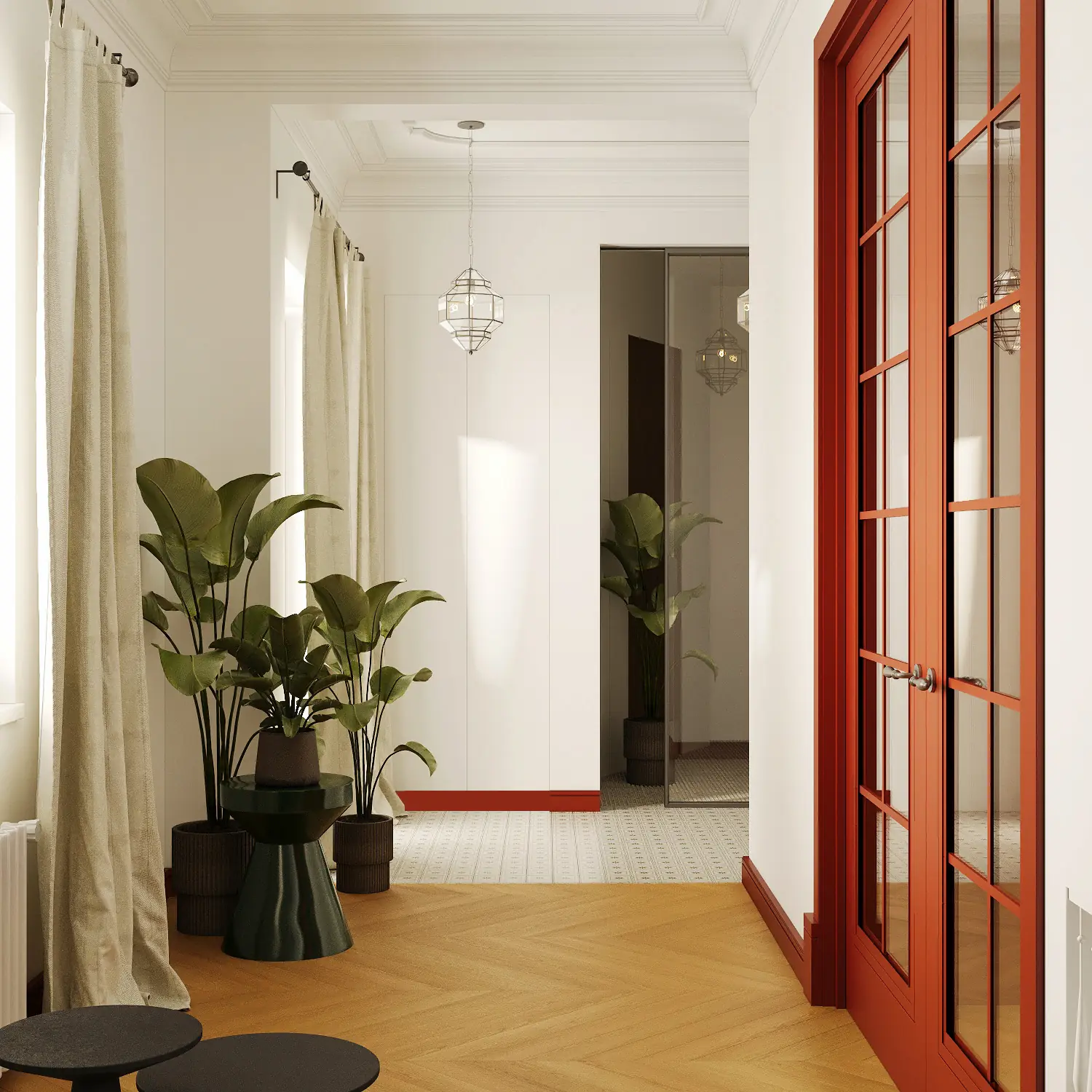
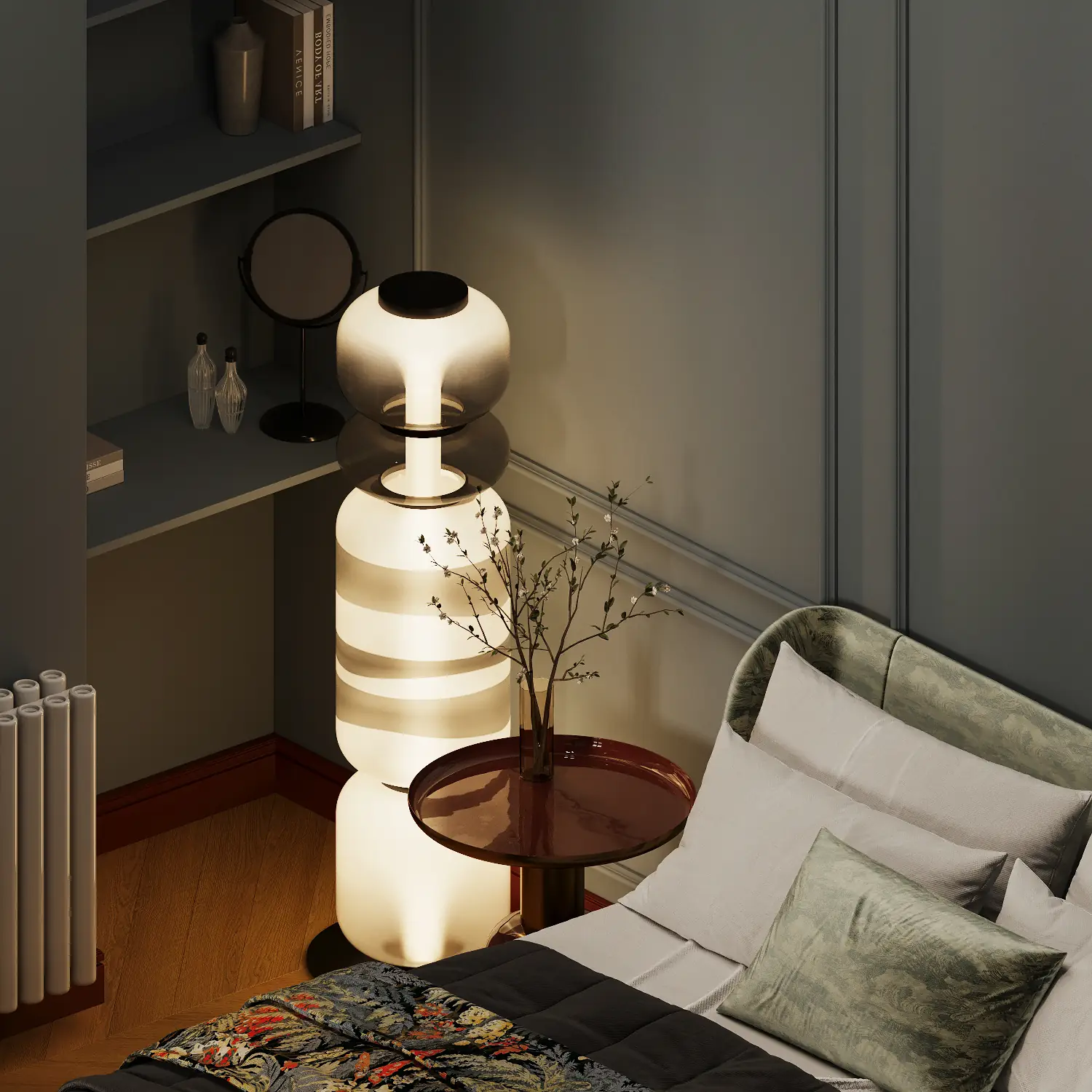
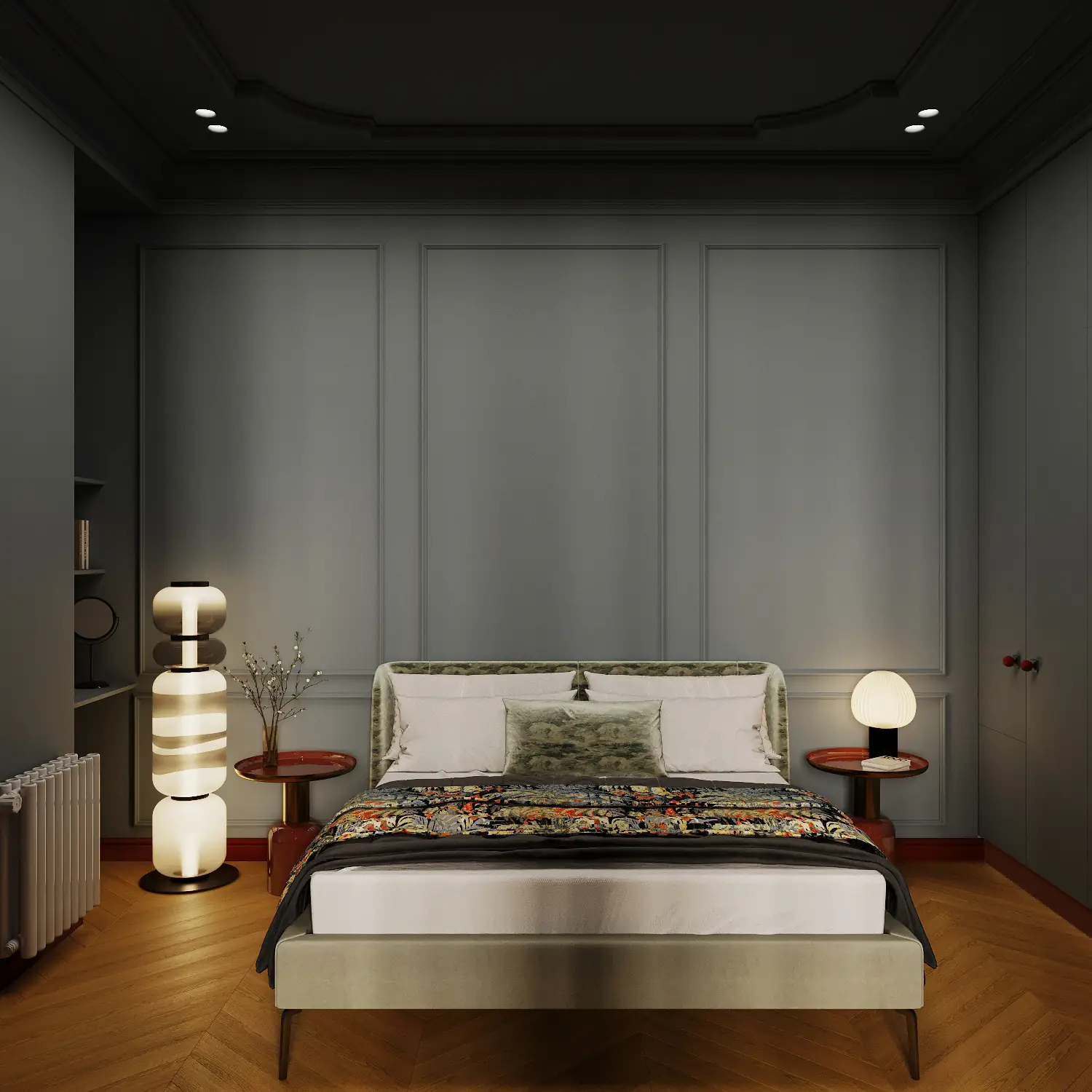
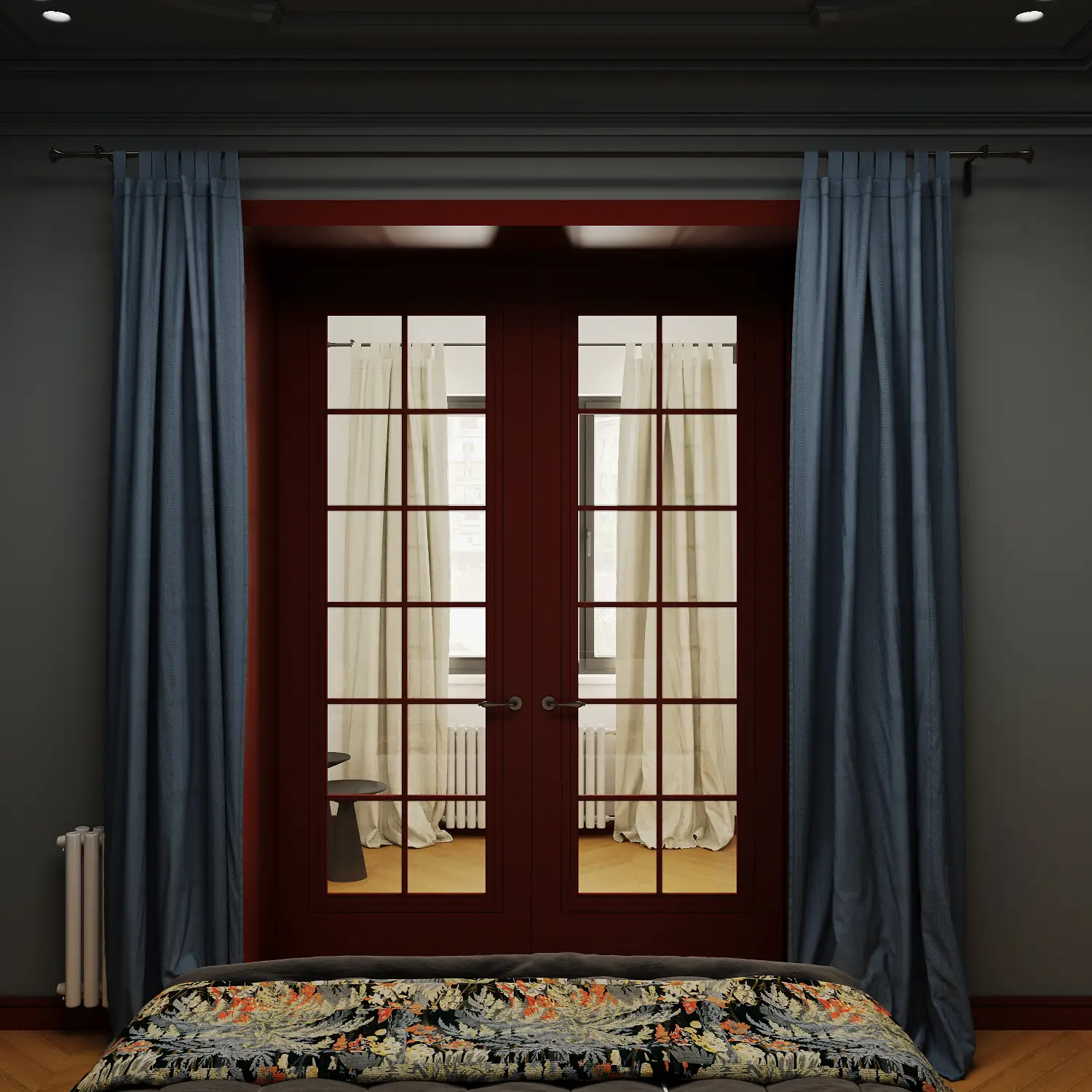
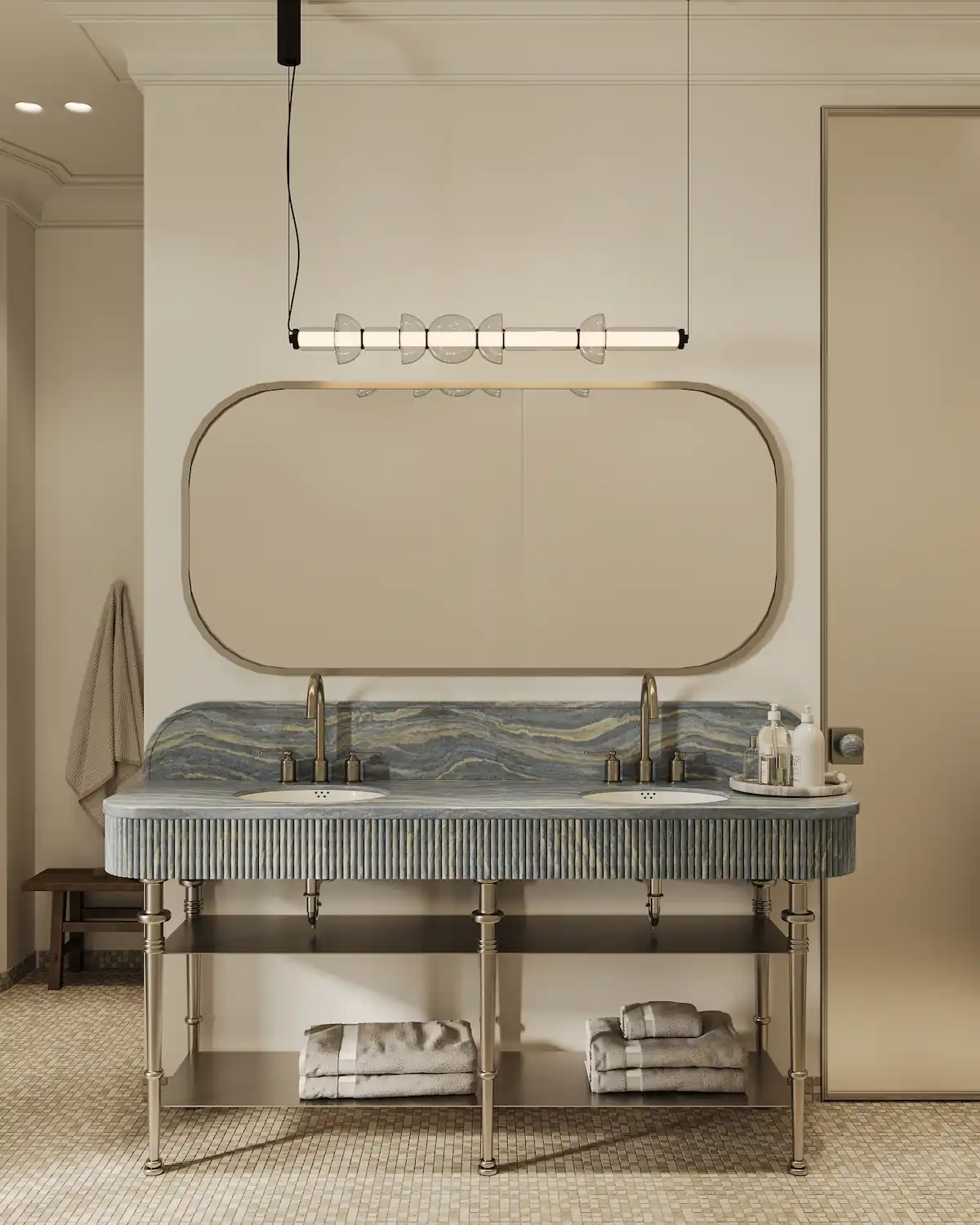
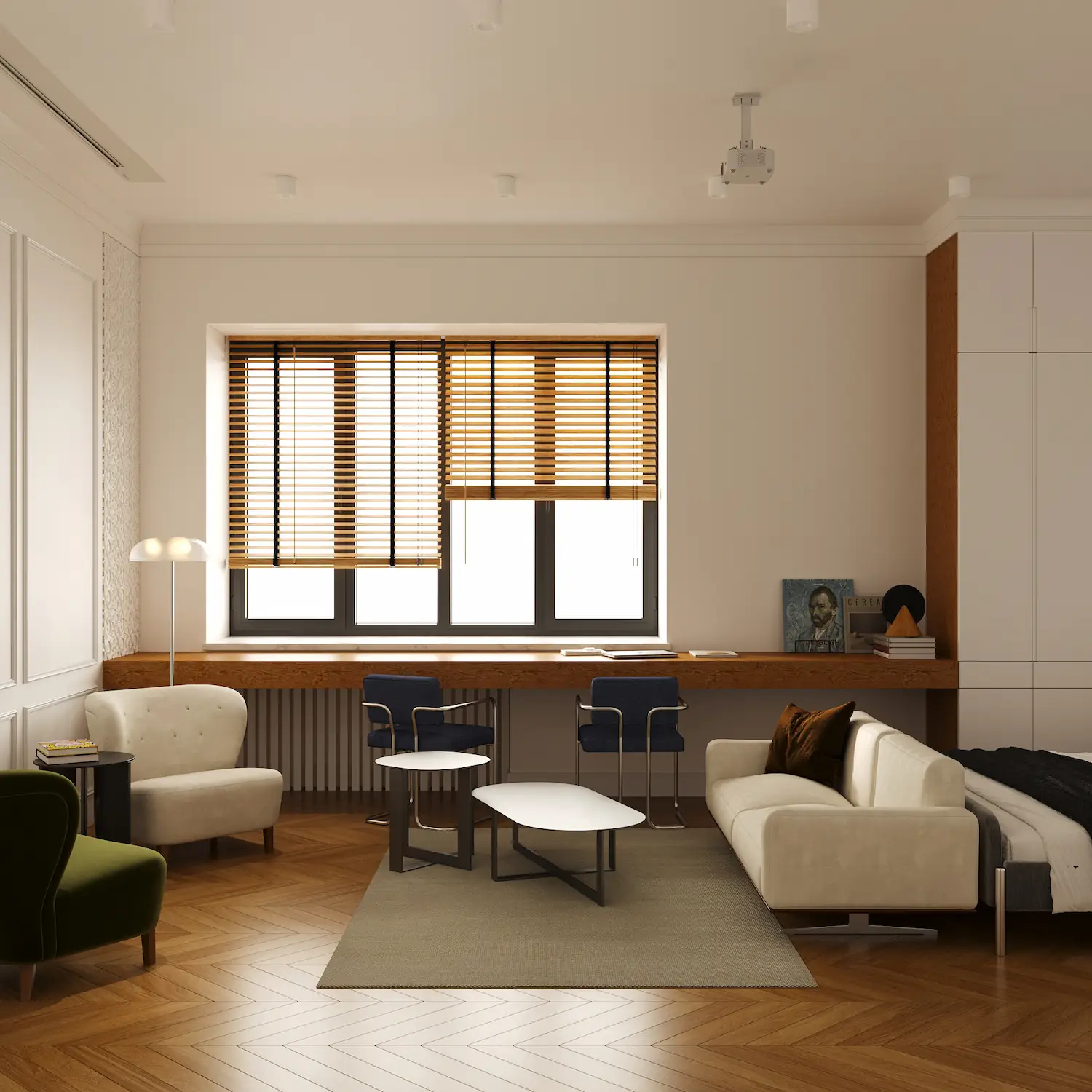
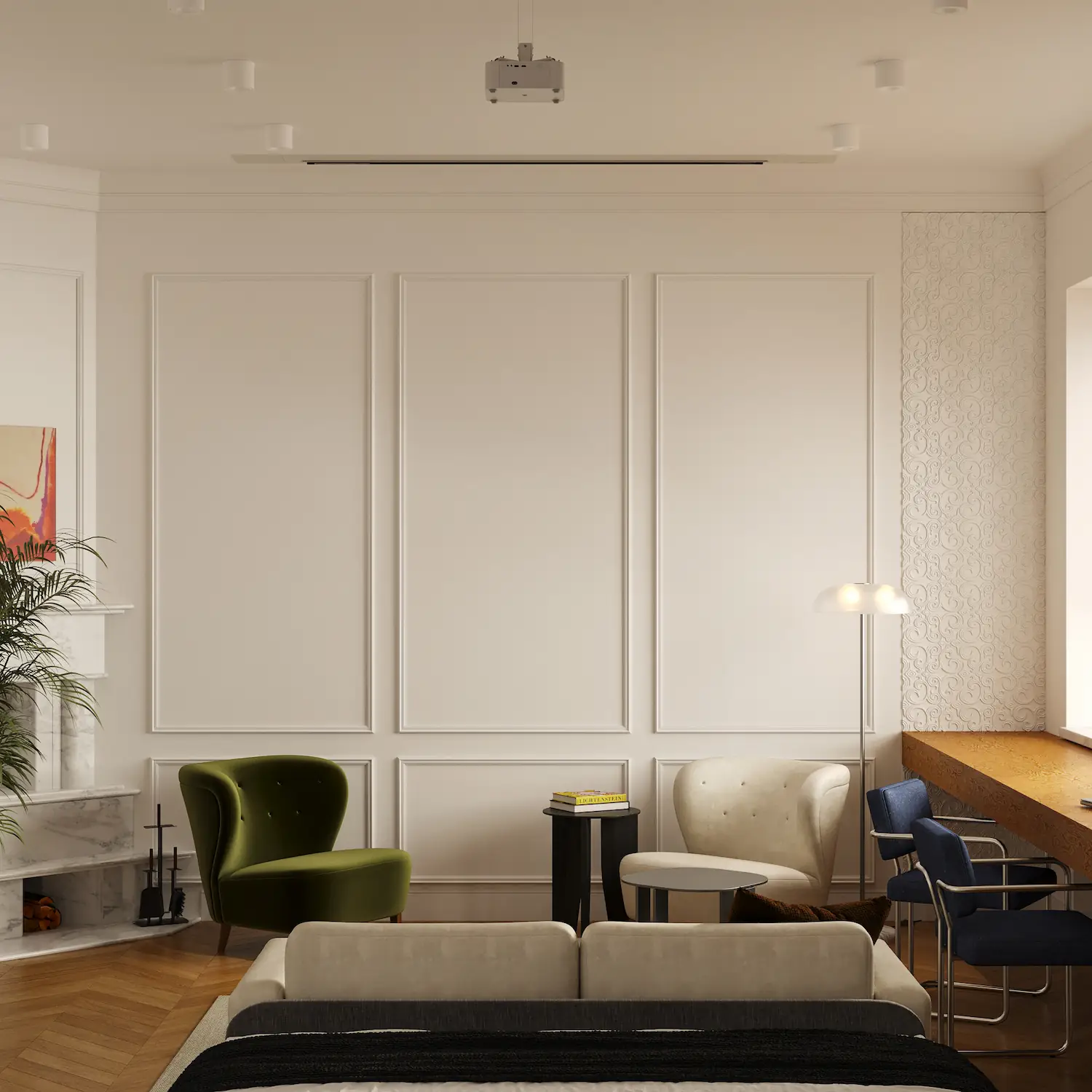
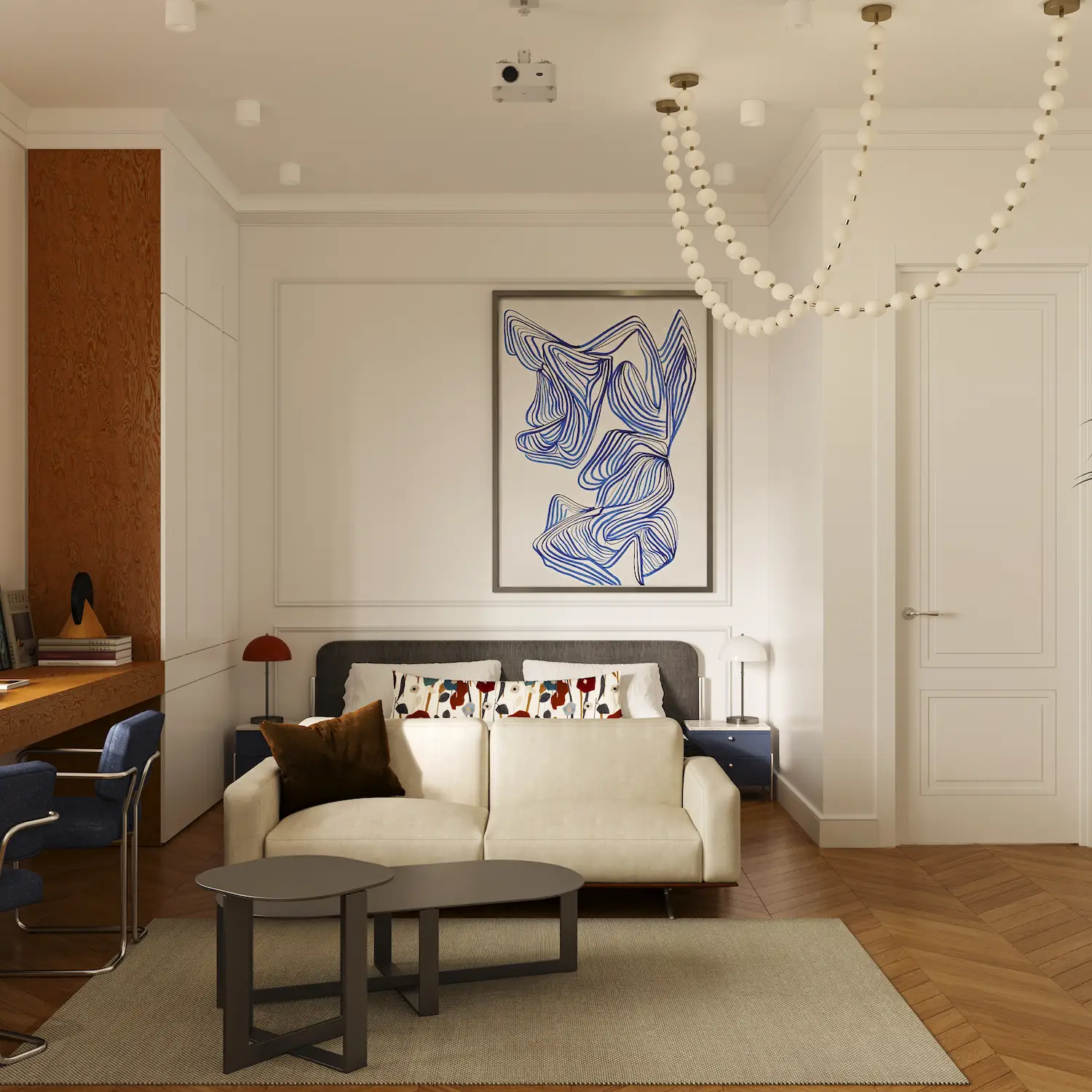
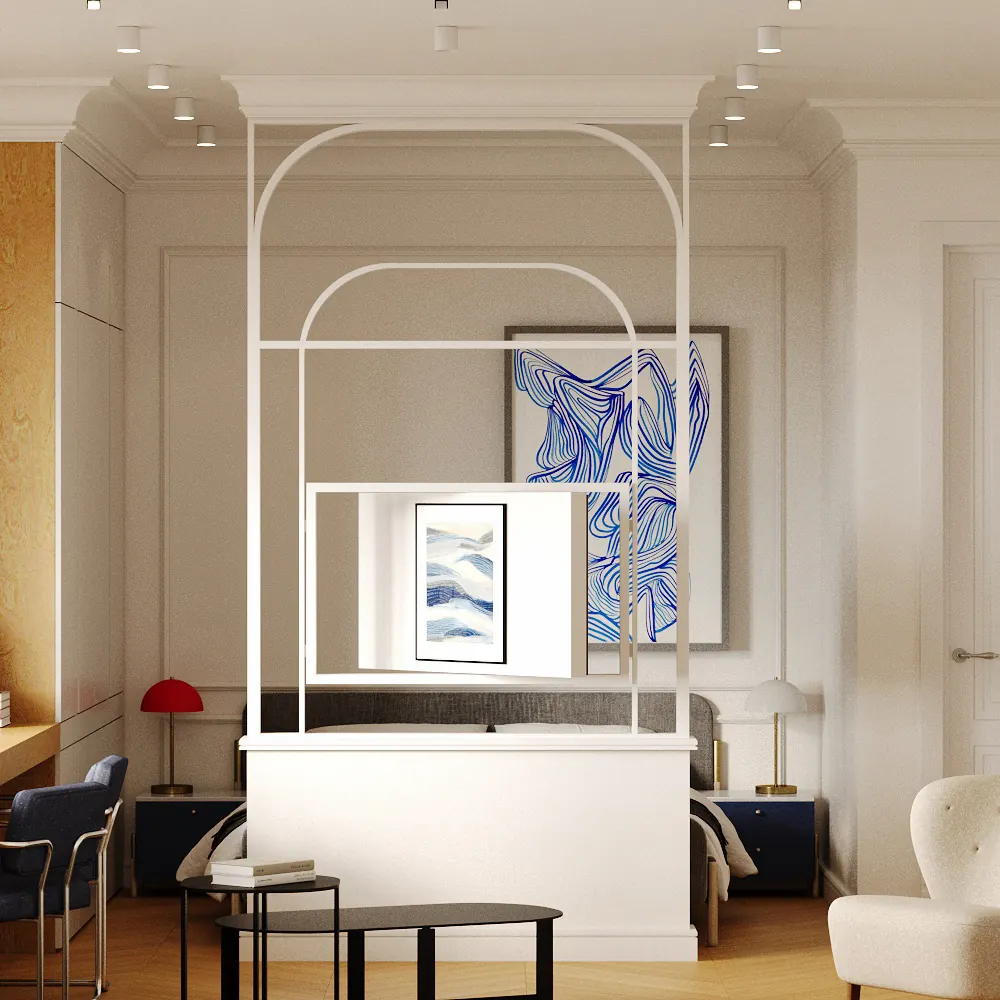
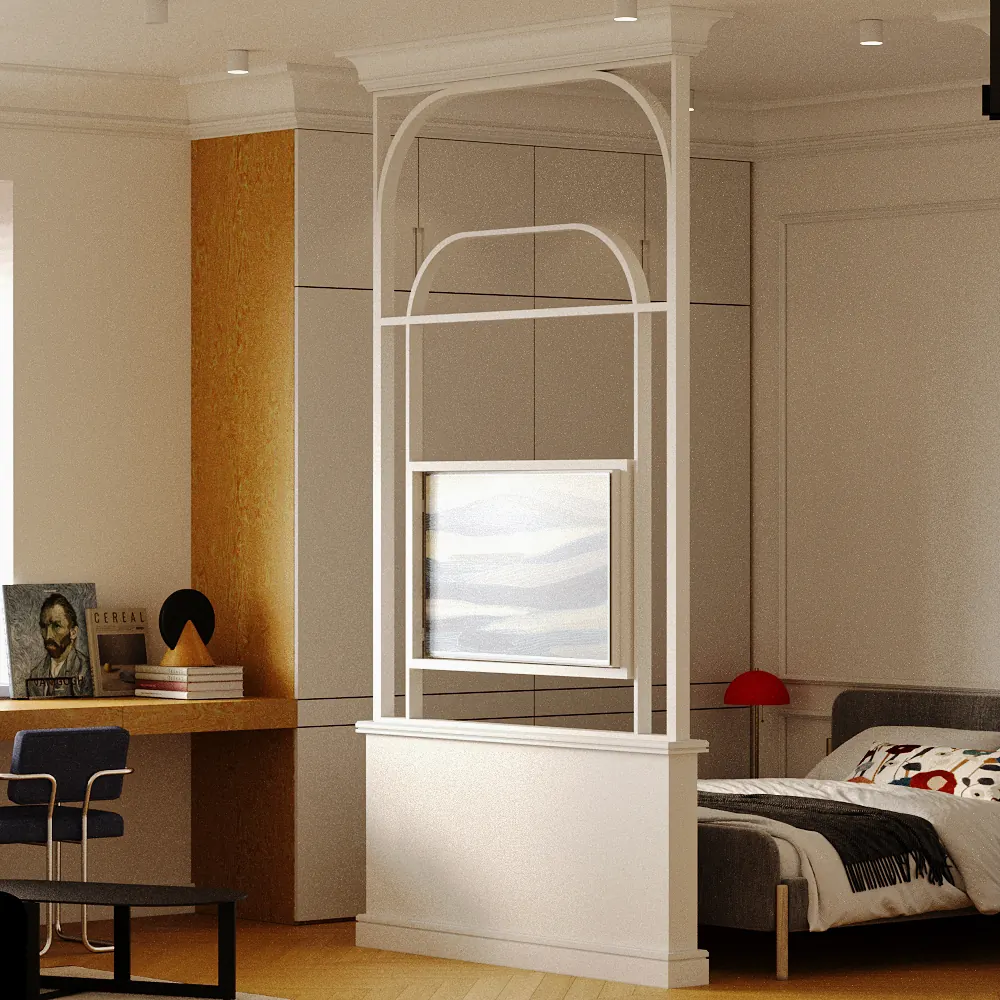
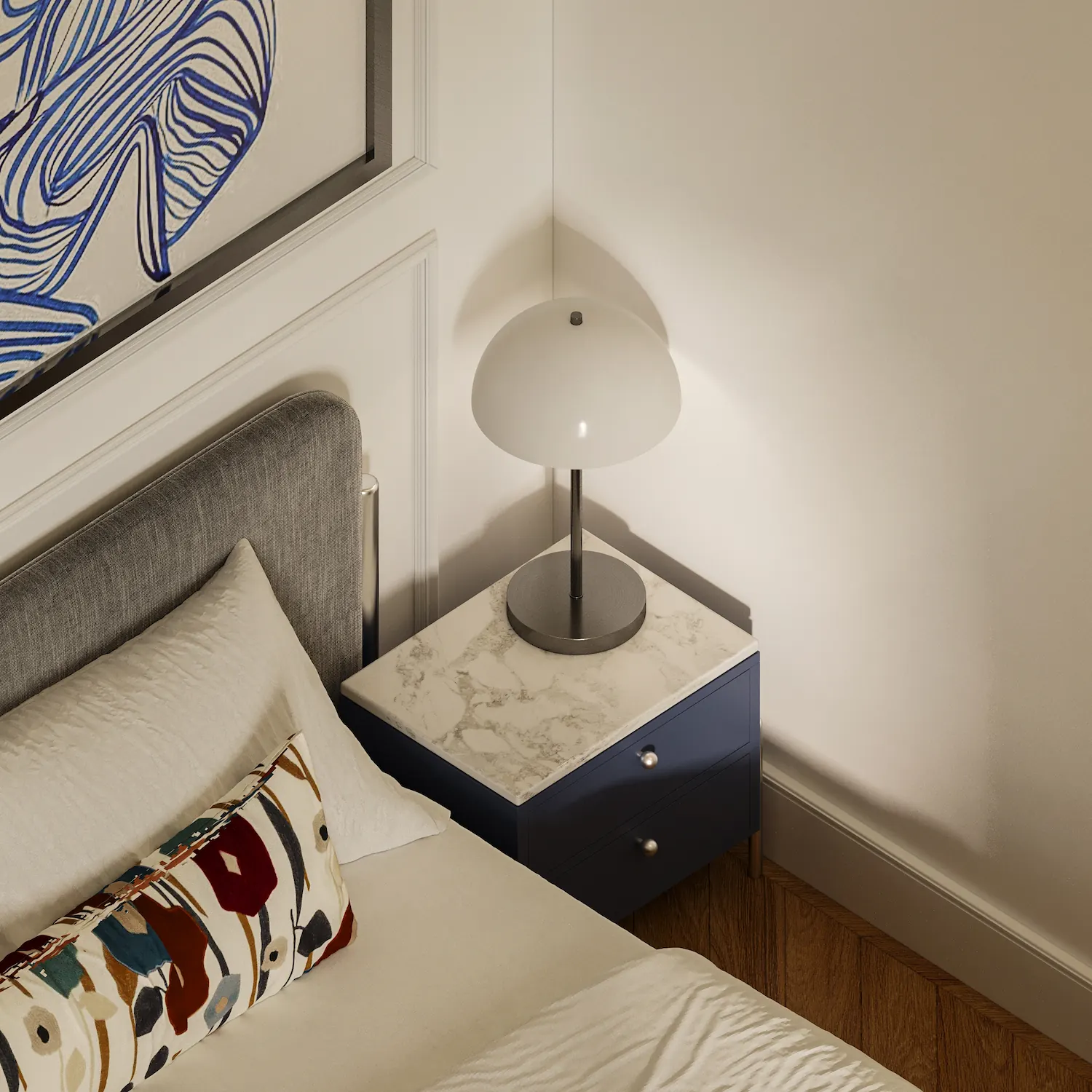
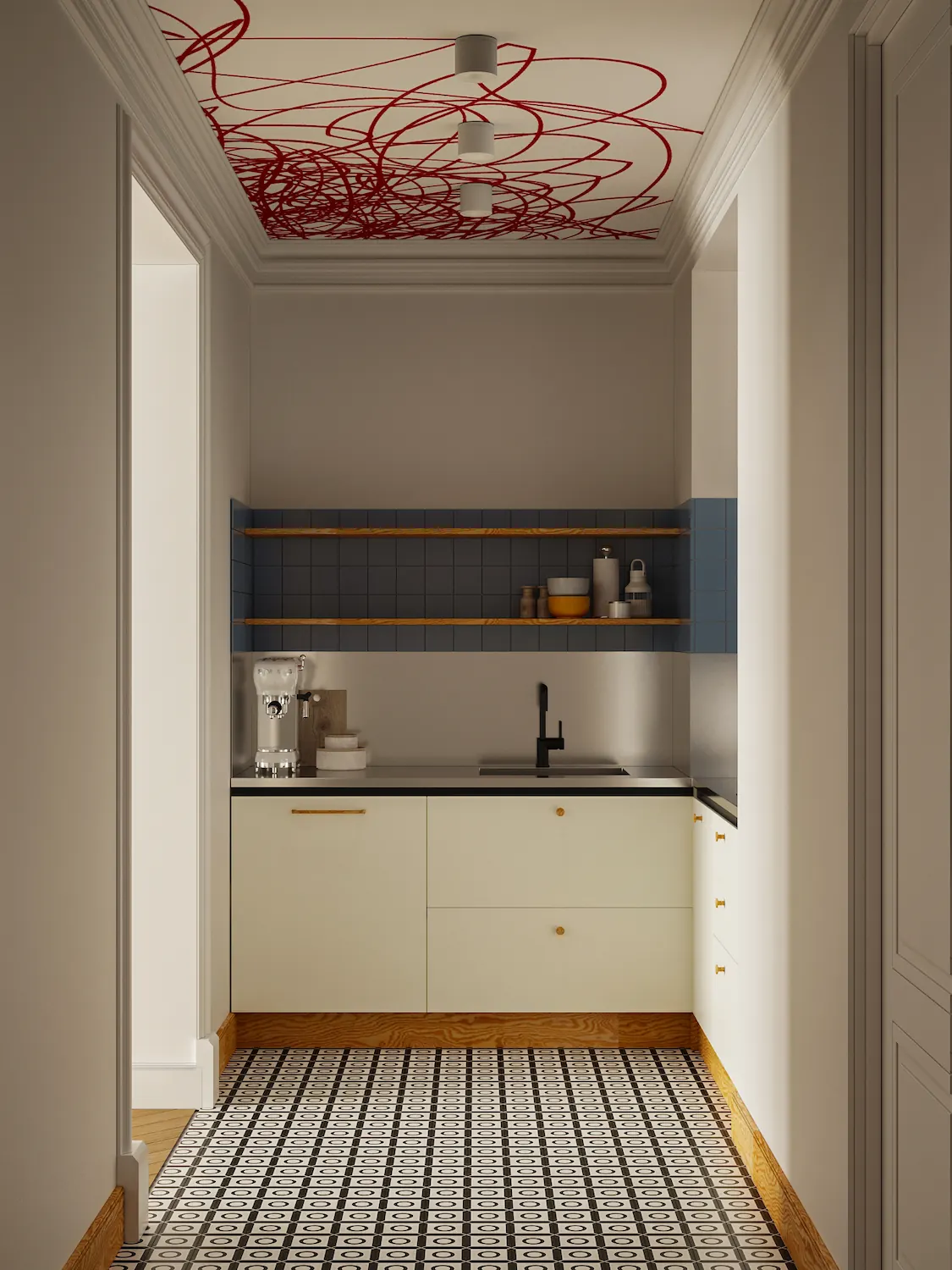
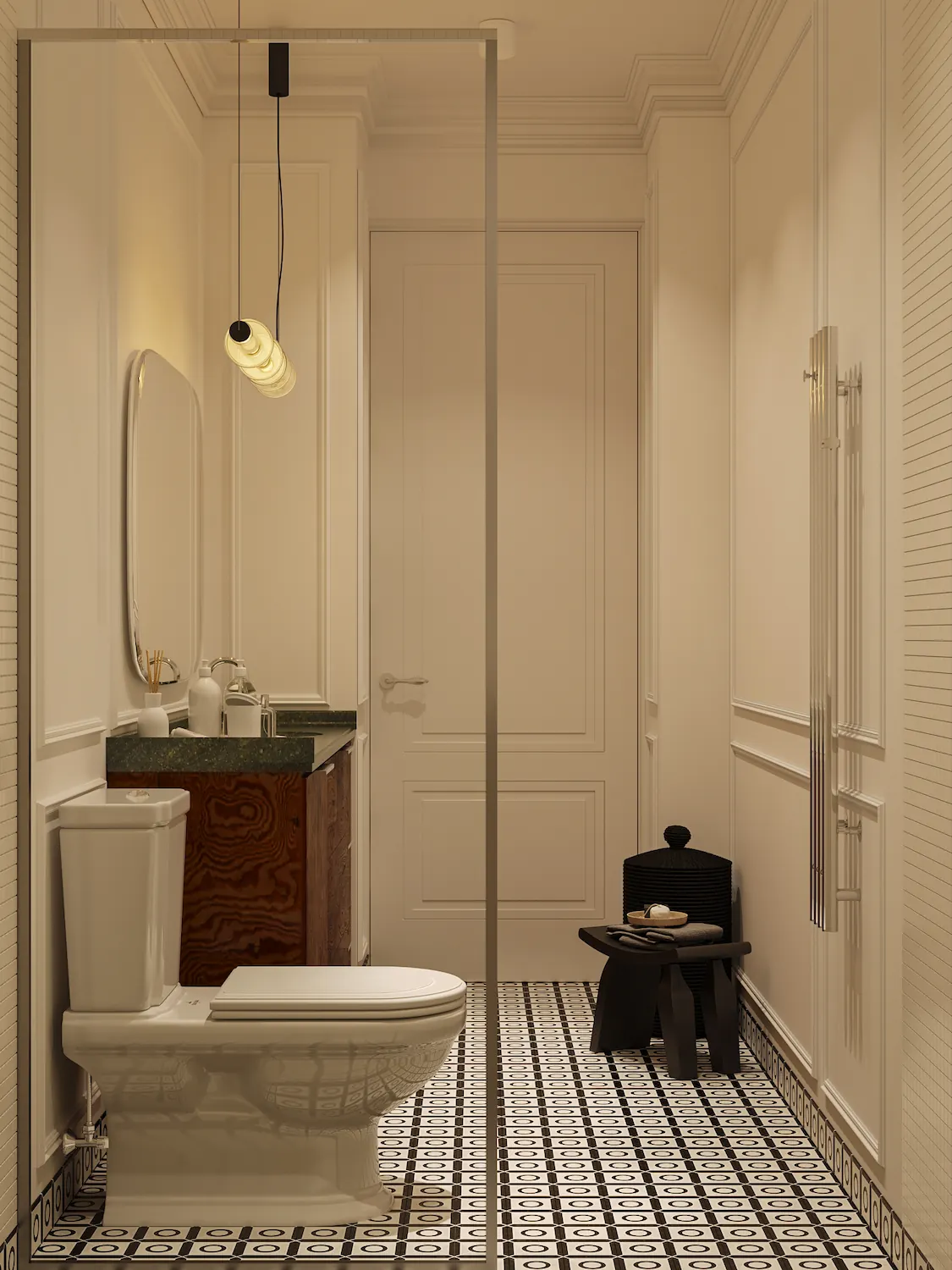
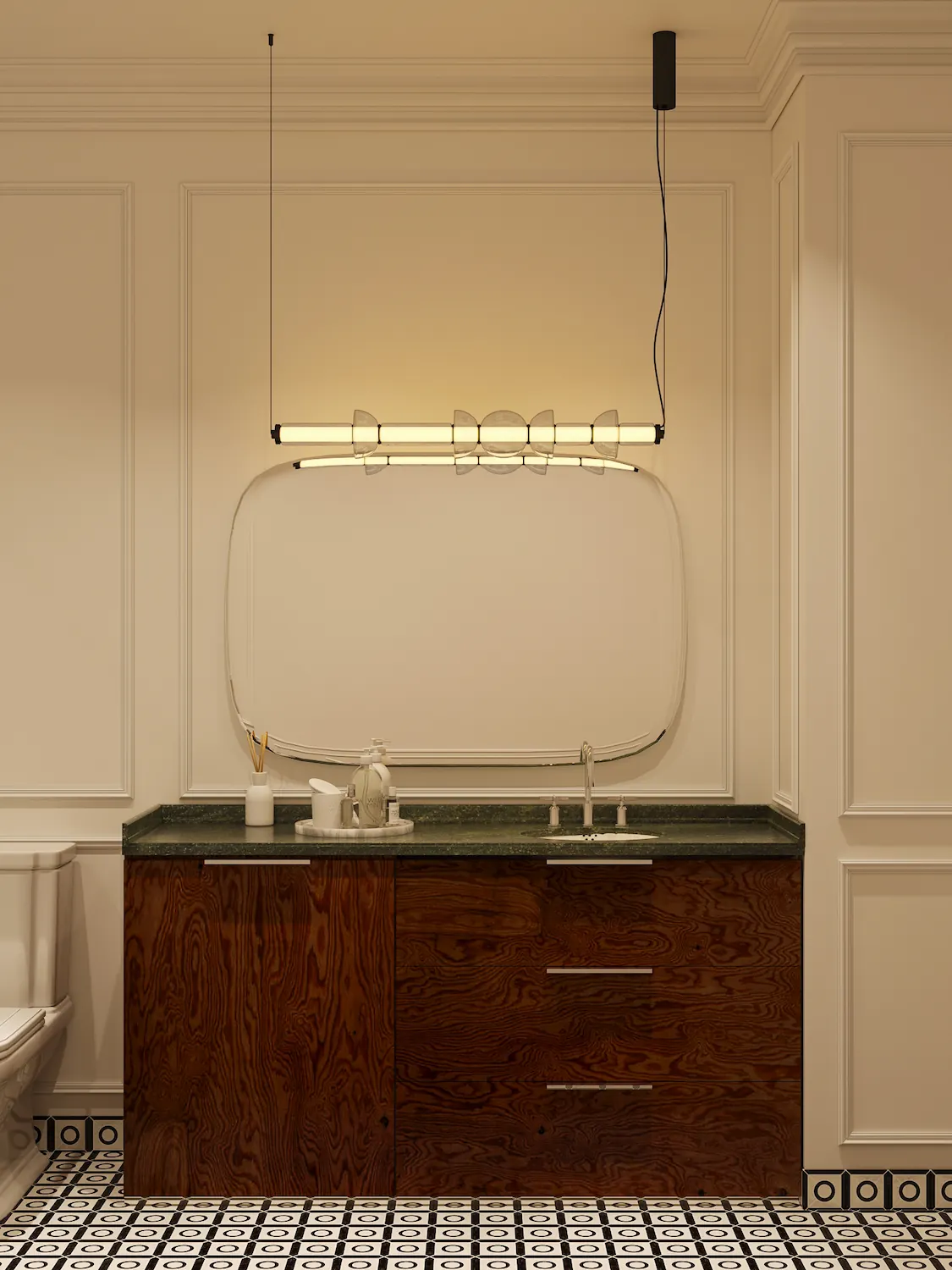
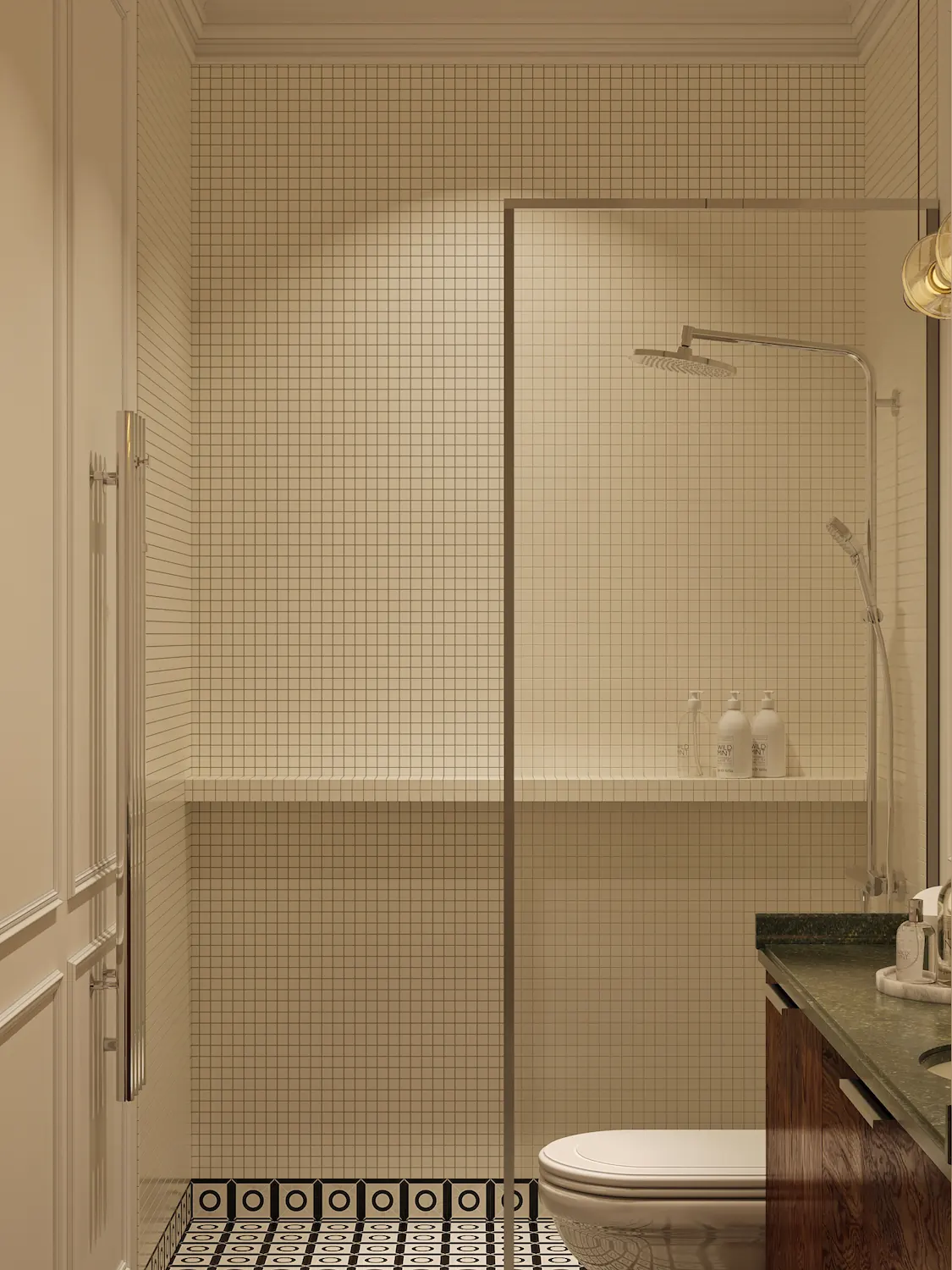
Rather than unify the two floors under a single stylistic approach, the design embraces their differences. The 5th floor apartments reference the building’s heritage with a restrained palette of natural materials, warm neutral tones, and traditional detailing. These spaces convey a sense of solidity and timelessness.
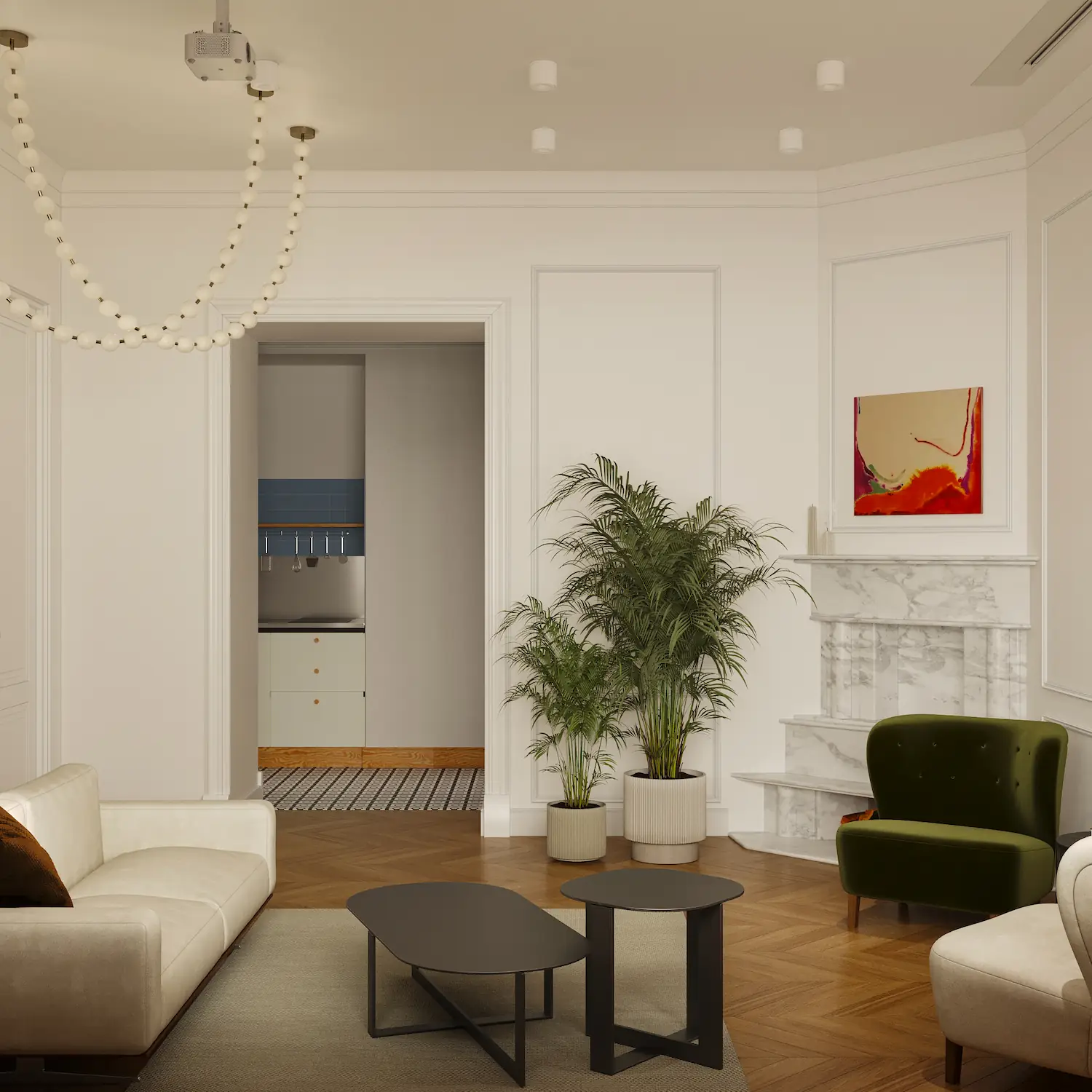
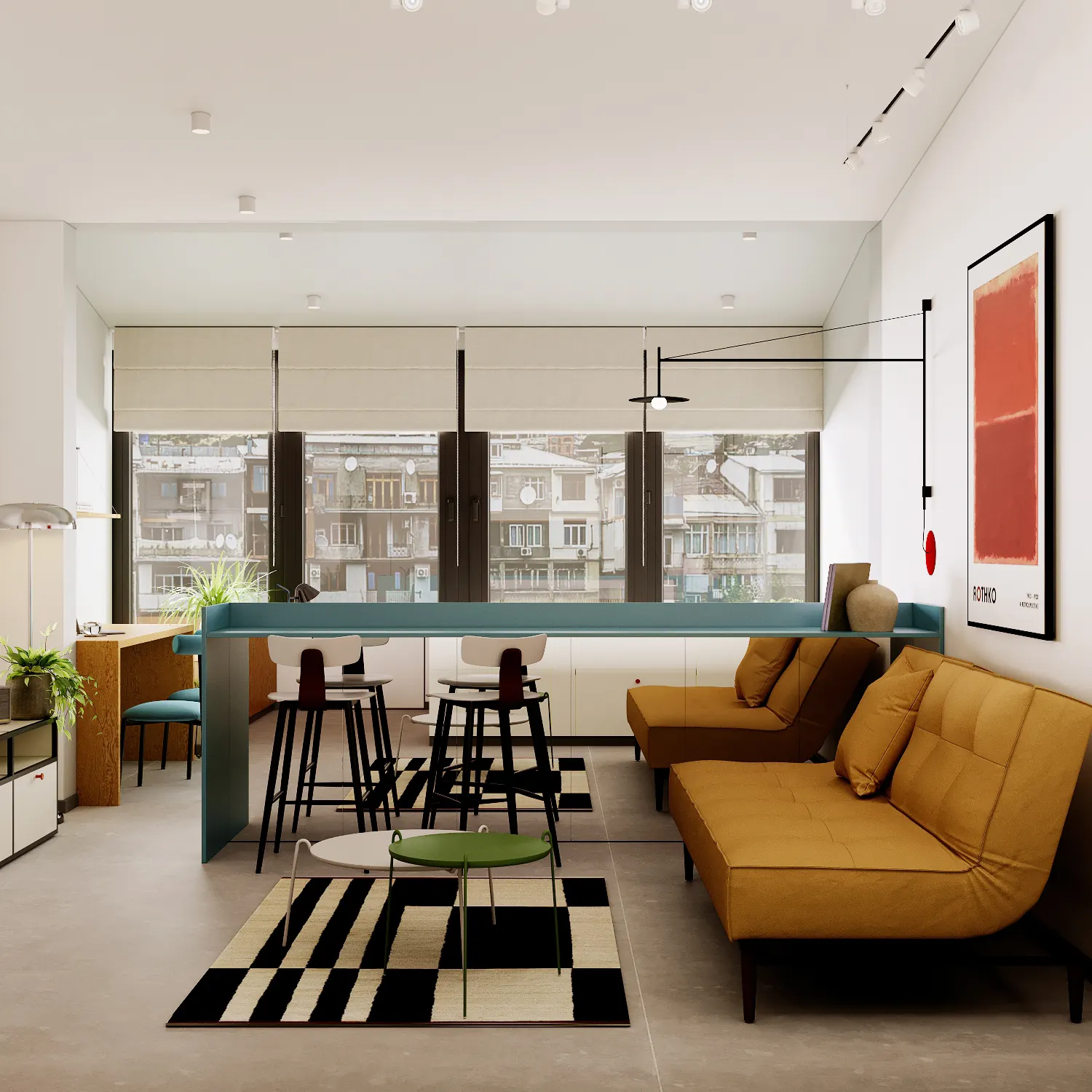
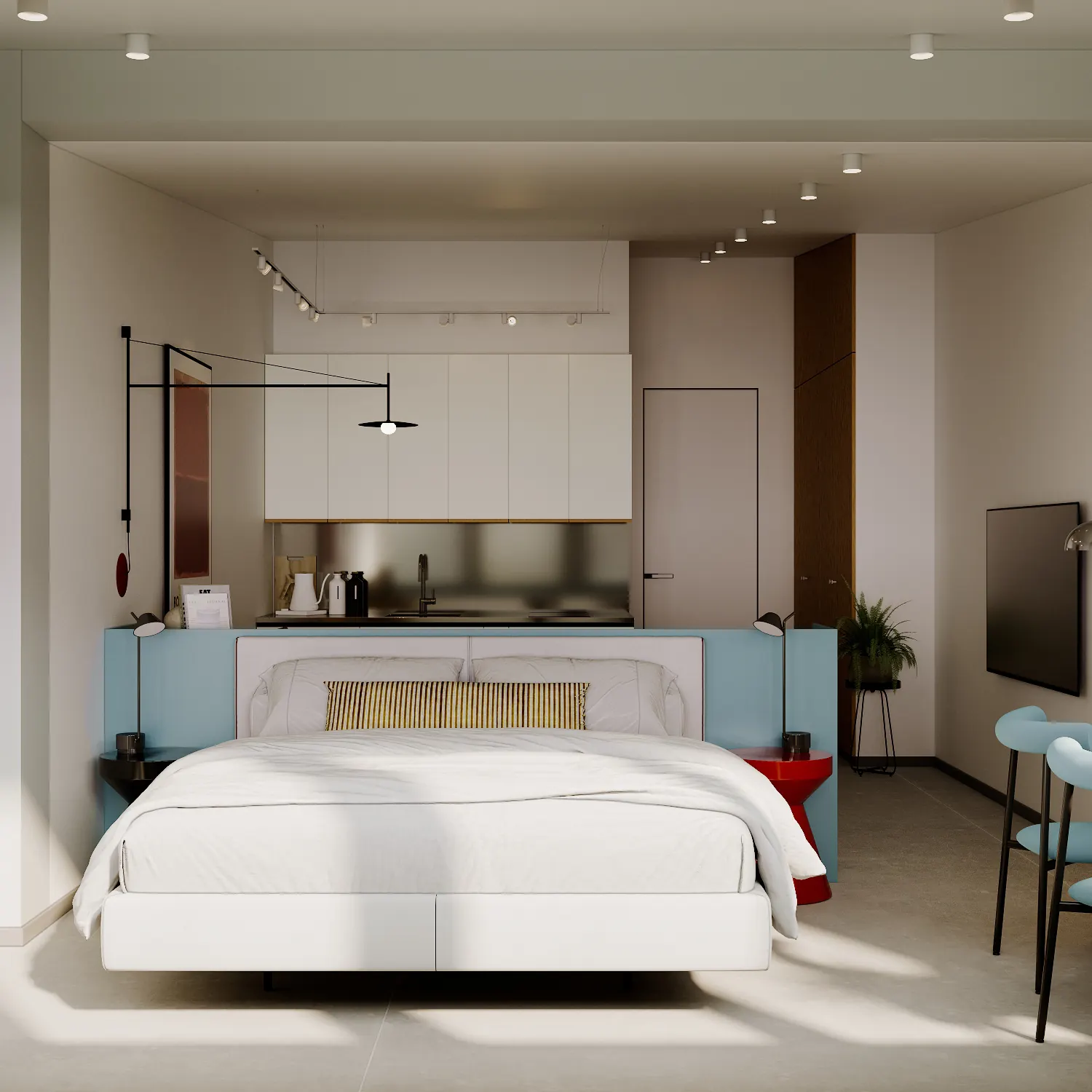
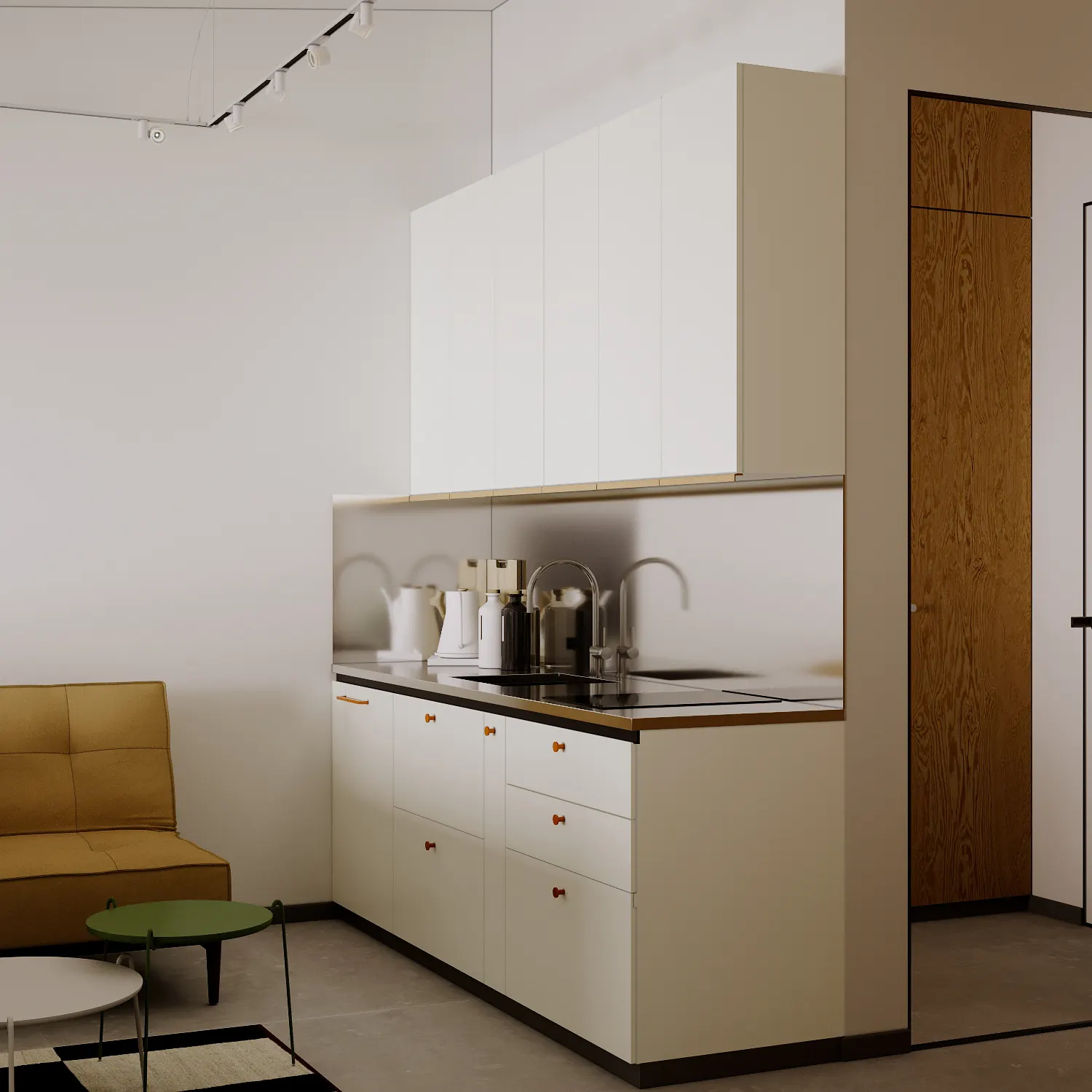
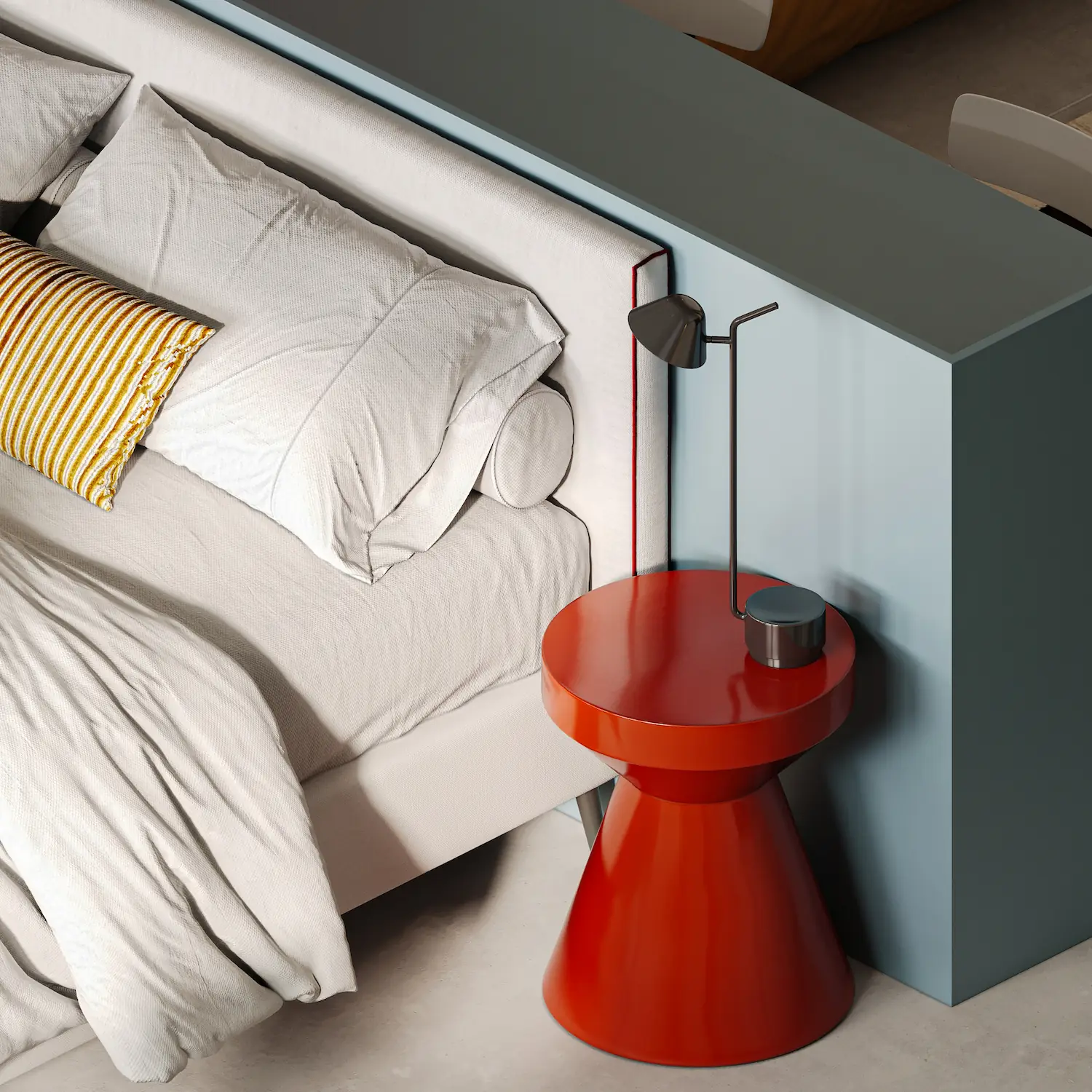
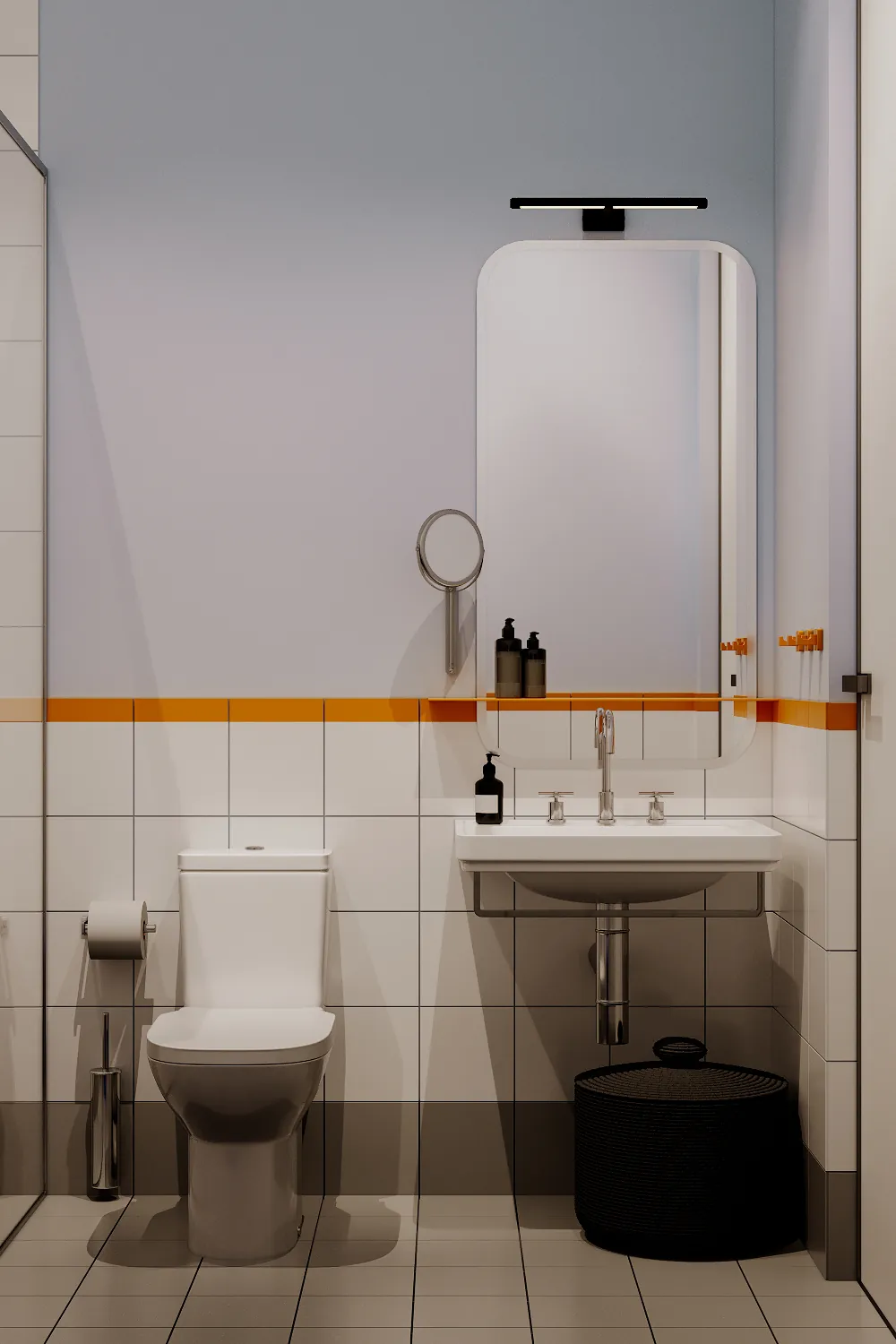
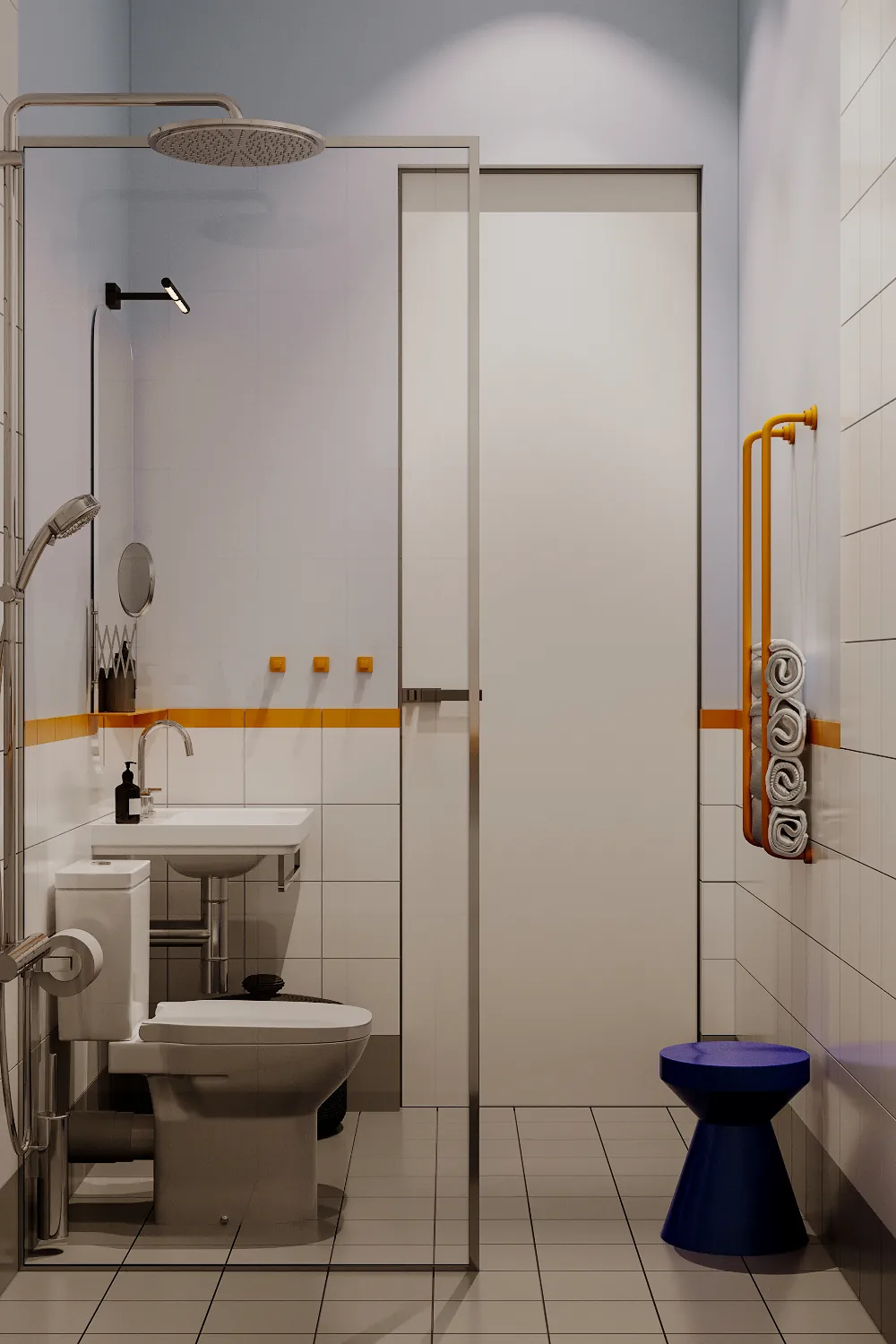
The upper floor units express a more contemporary language — lighter finishes, more exposed structures, and a casual spatial rhythm. Vertical contrasts are used to establish identity within compact plans, offering guests distinct spatial experiences between levels.
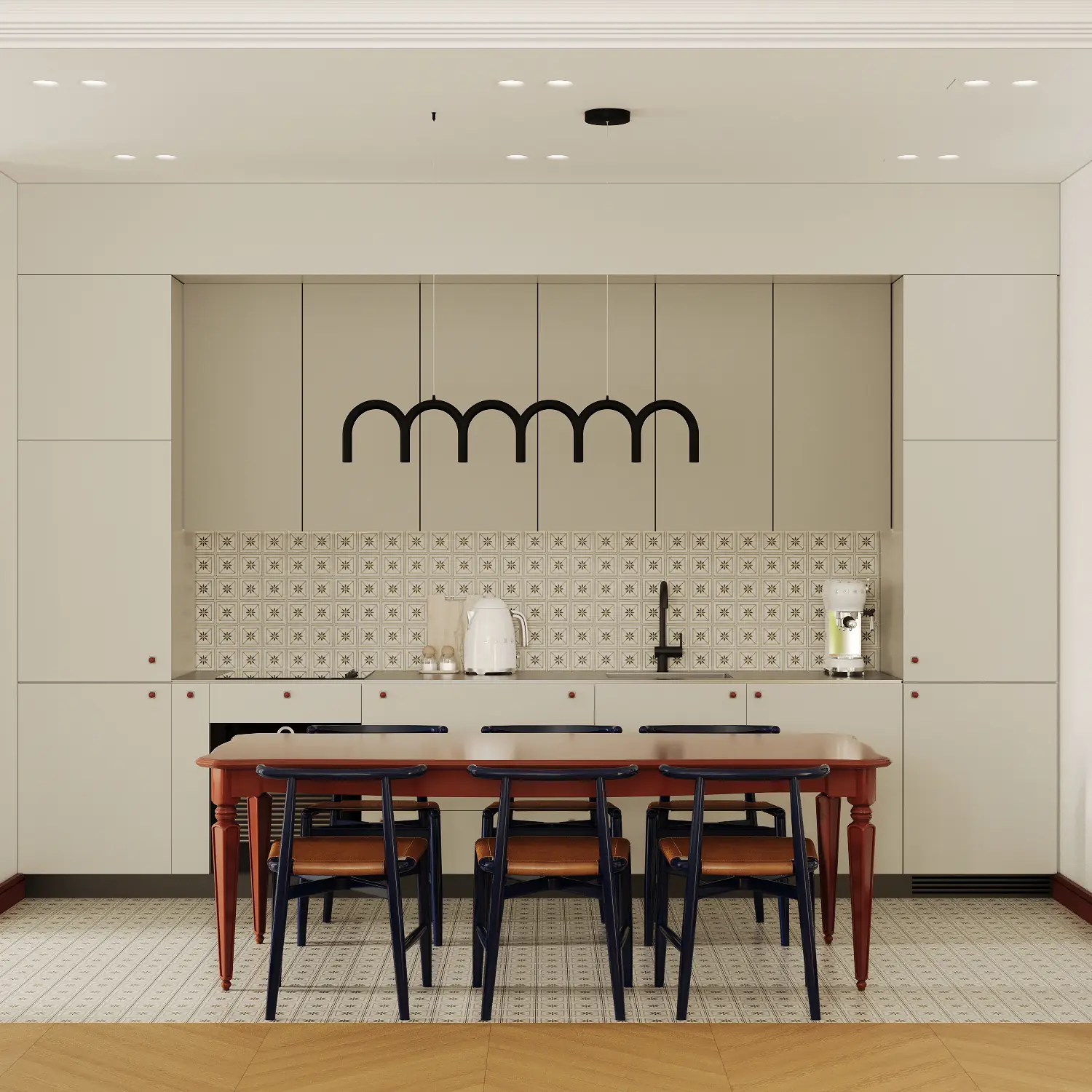
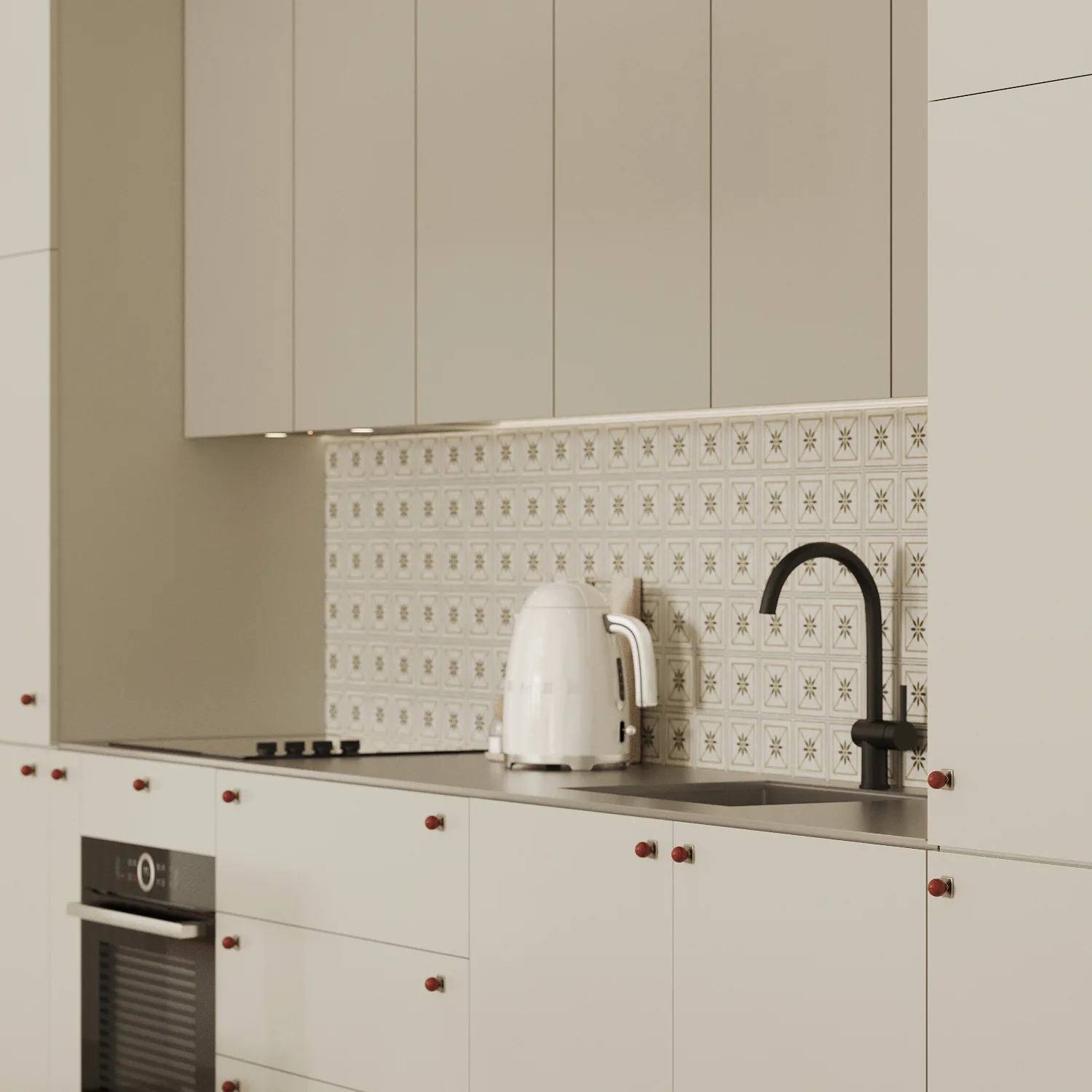
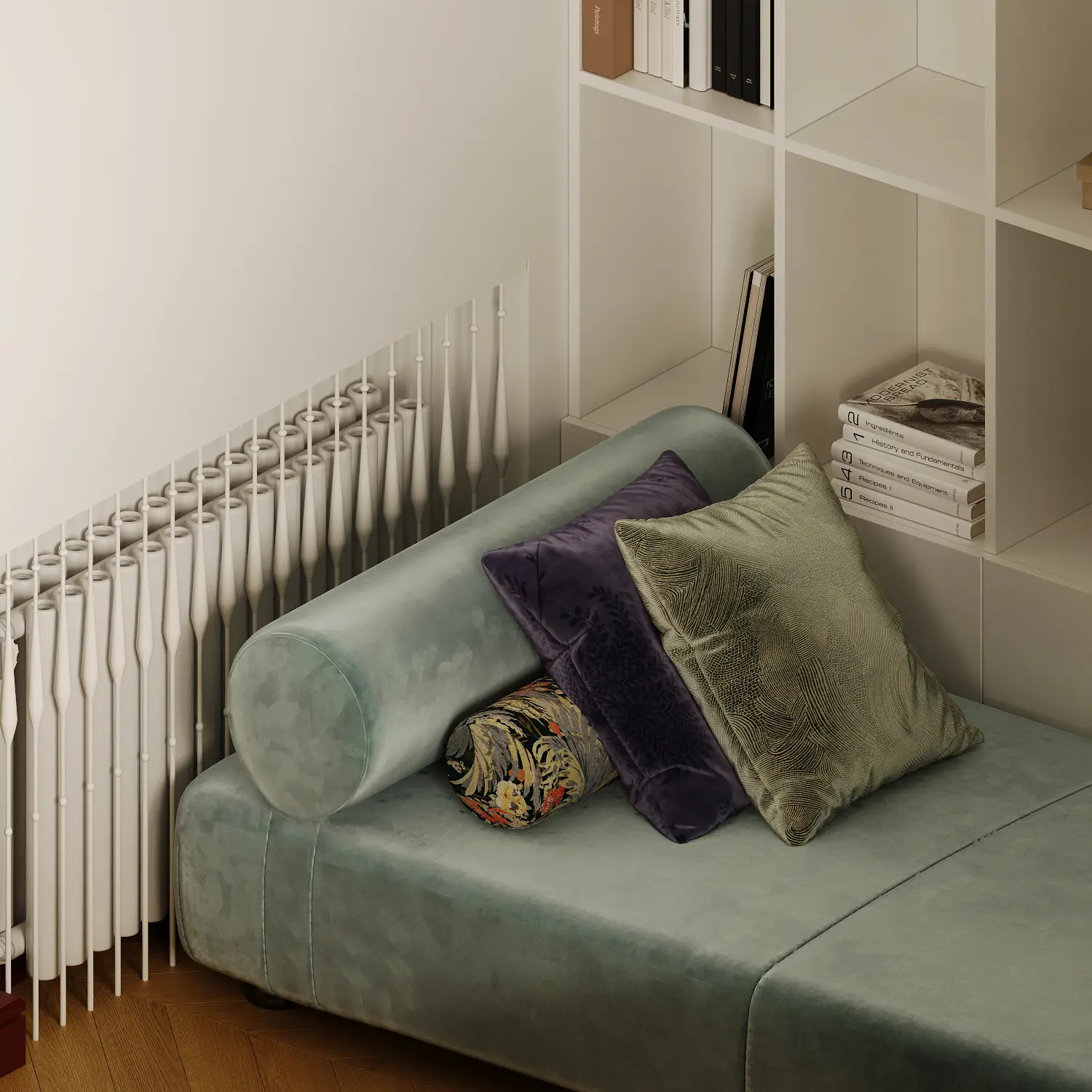
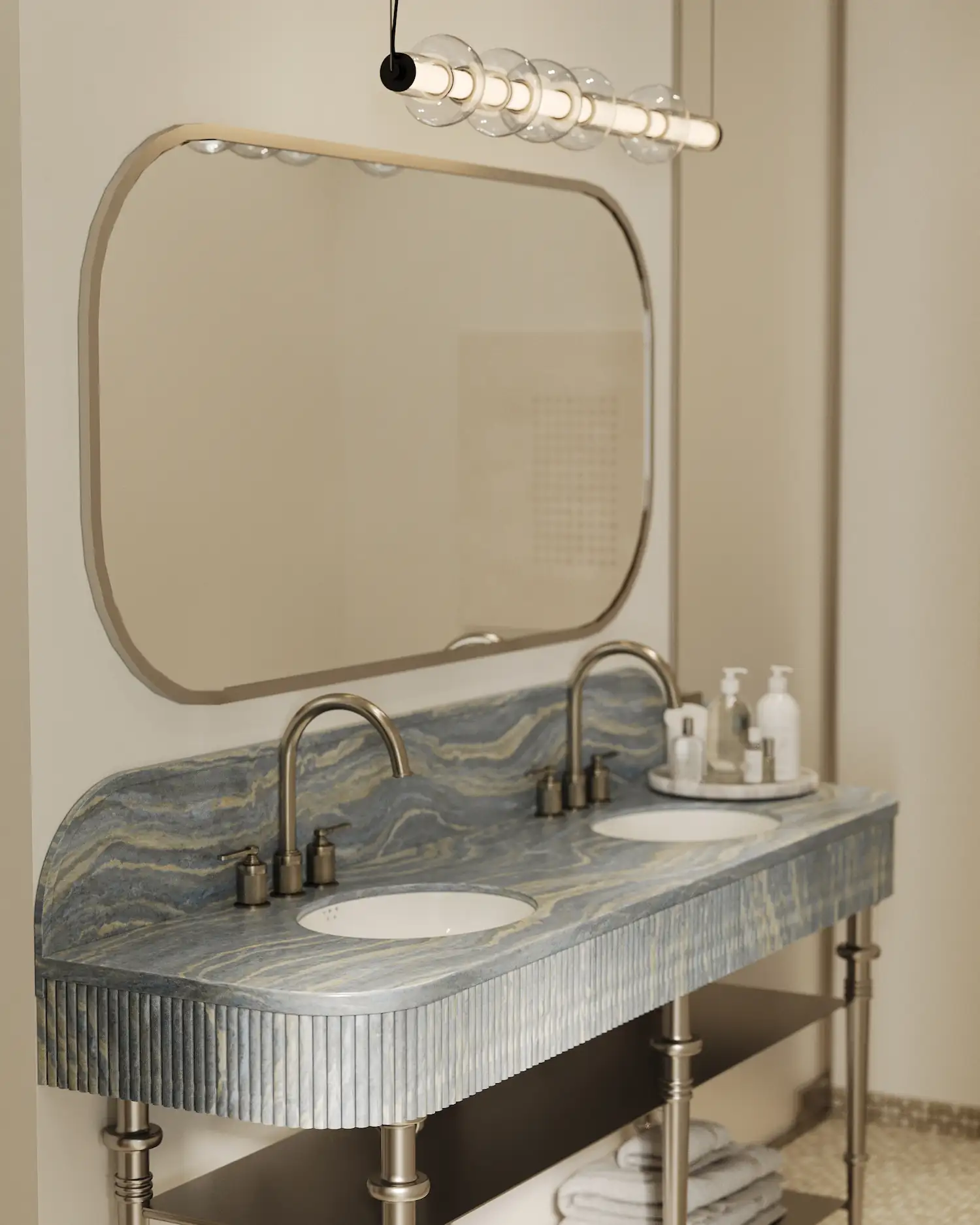
Custom-designed furniture and storage systems respond to the constraints of small-scale living, while natural light and efficient layout planning ensure each unit remains comfortable, functional, and visually coherent.
The Mashtots 42 project illustrates the potential of micro-hospitality models within heritage housing stock, combining thoughtful spatial adaptation with layered historical reading. It is an example of how interior architecture can support urban reuse, programmatic densification, and new forms of short-term habitation within the existing fabric of the city.